
Nepal Faces Daunting Challenge of Identifying Flood Victims Through DNA Testing
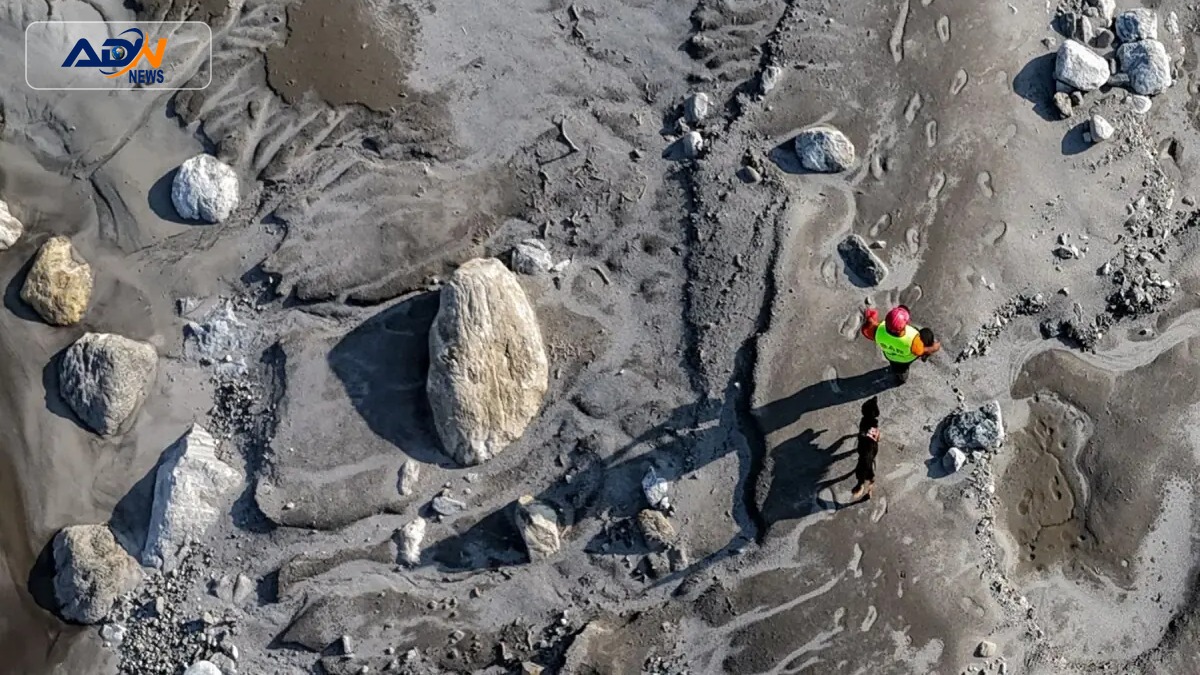
KATHMANDU: In the aftermath of Nepal’s catastrophic Himalayan floods, families are turning to DNA testing in a desperate bid to identify their missing loved ones. Rajesh Ram, clutching a photograph of his son Suroj Kumar, a garage mechanic from Betrawati, is among thousands seeking answers after the devastating floods swept through the region on August 26.
“I searched for him everywhere, but I could not find his body,” said the 53-year-old Ram, highlighting the emotional toll of the disaster. The floods, triggered by a glacial and rock collapse on the Nepal-China border, unleashed a tsunami-like wave of freezing water and debris, resulting in widespread destruction and loss of life.
The scale of the identification task is immense, with authorities and forensic teams working tirelessly to process DNA samples from the victims and their relatives. This tragedy not only underscores the immediate need for effective disaster response but also raises questions about the long-term implications for community resilience and infrastructure in the region.
As the identification process continues, families are left in limbo, awaiting news that could bring closure. The National Forensic Science Laboratory in Lalitpur is at the forefront of these efforts, and officials are urging families to come forward with DNA samples to assist in the identification process.