
Lahore Tops Global Pollution List as Air Quality Reaches Hazardous 410
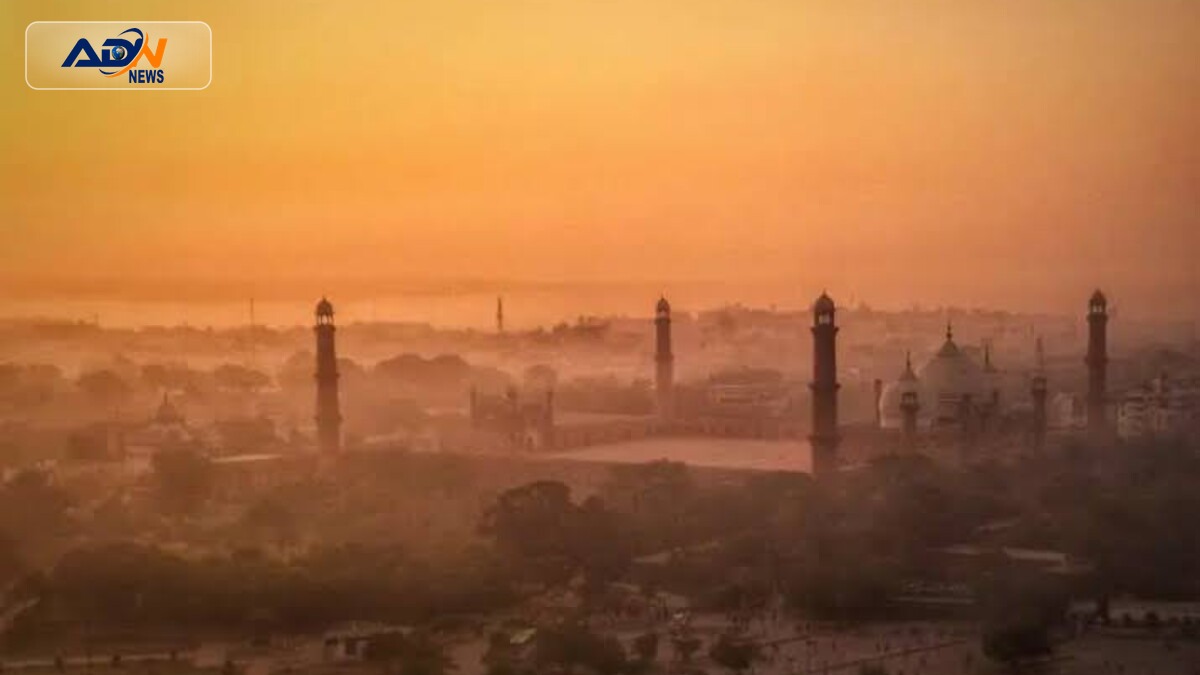
LAHORE: Lahore has once again topped global pollution rankings after its air quality deteriorated to “hazardous” levels on Friday morning, according to international air monitoring platform IQAir. The Punjab capital recorded a staggering Air Quality Index (AQI) score of 410, underscoring a worsening atmospheric crisis that continues to imperil the health of millions of residents across the region.
The steep decline in air purity is largely attributed to a combination of heavy industrial emissions, pervasive vehicular exhaust, widespread crop stubble burning by farmers, and adverse winter meteorological conditions that trap toxic pollutants close to the ground. Over recent years, winter smog has evolved into a full-blown public health emergency across Pakistan, with metropolitan centers in the eastern province of Punjab consistently witnessing pollutant levels well beyond safe international limits.
Medical experts have raised severe concerns regarding the immediate and long-term health risks posed by the toxic air quality, noting a sharp uptick in hospital admissions for respiratory infections, asthma attacks, eye irritation, and cardiovascular distress. The persistent hazardous haze not only severely impacts public health but also disrupts daily transportation, forces sporadic educational institution closures, and imposes a heavy economic toll on business productivity throughout the winter months.
In response to the deteriorating environmental conditions, health authorities and provincial agencies have issued urgent advisories urging citizens to minimize outdoor activities, wear protective face masks, and utilize indoor air filtration where feasible. Environmental activists and urban policy experts continue to demand stringent state enforcement against polluting industrial units, an aggressive transition to cleaner fuels, and sustained regional collaboration to effectively combat the recurring smog crisis.