
Taiwan Shuts Down as Powerful Typhoon Champi Threatens Direct Landfall
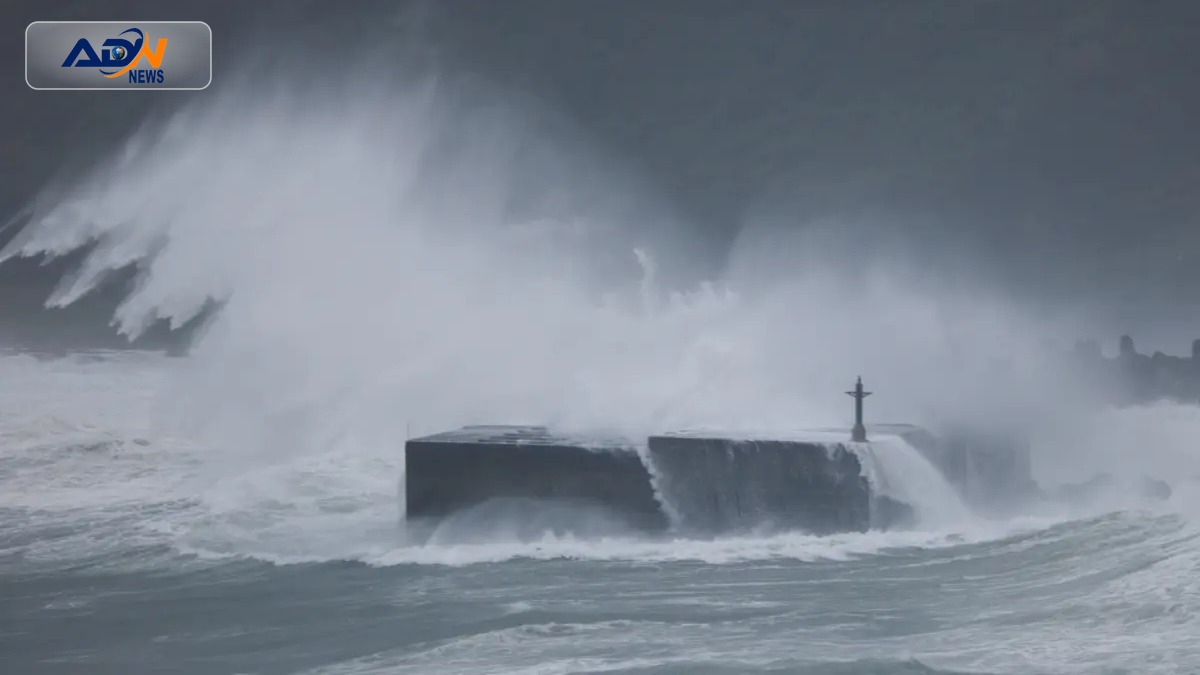
TAIPEI: Life ground to a near-total standstill across Taiwan on Friday as the island prepared for the perilous arrival of Typhoon Champi, a formidable storm bringing torrential rainfall, severe gale-force winds, and widespread transport disruptions. Although meteorologists reported that the system has begun gradually weakening from its previous super typhoon status, emergency authorities warned that it remains a serious threat capable of making direct landfall on the island.
According to data released by Taiwan’s Central Weather Administration (CWA), the storm was centered roughly 220 kilometers east of the island, packing maximum wind gusts of up to 191 kilometers per hour near its core. The disaster has already claimed at least one life and left 171 people injured across various regions. In response to potential landslides and flash flooding, emergency management officials successfully evacuated 2,639 residents from high-risk mountainous terrain. Meanwhile, state utility Taipower reported that more than 77,000 households suffered power outages, though rapid emergency response teams managed to restore electricity to the vast majority of affected homes within hours.
The severe weather system caused severe logistical chaos across East Asia, resulting in the cancellation of nearly 1,000 domestic and international flights. Meteorological forecast tracks indicate that Typhoon Champi will sweep past northeastern Taiwan before veering north toward the eastern coast of mainland China and eventually pushing into southern Japan over the weekend. Regional transport hubs have issued advisories warning travelers of ongoing delays as heavy seas and high winds disrupt maritime shipping lanes and international aviation corridors.
Local authorities and emergency response agencies remain on high alert as coastal and mountain communities brace for additional downpours throughout the night. The Central Weather Administration emphasized that despite the storm’s slight weakening, citizens should avoid coastal areas, stay indoors, and adhere strictly to localized evacuation orders while disaster management teams monitor the storm’s trajectory toward neighboring East Asian countries.