
Chinese Researchers Achieve Breakthrough in Flexible Solar Cell Efficiency
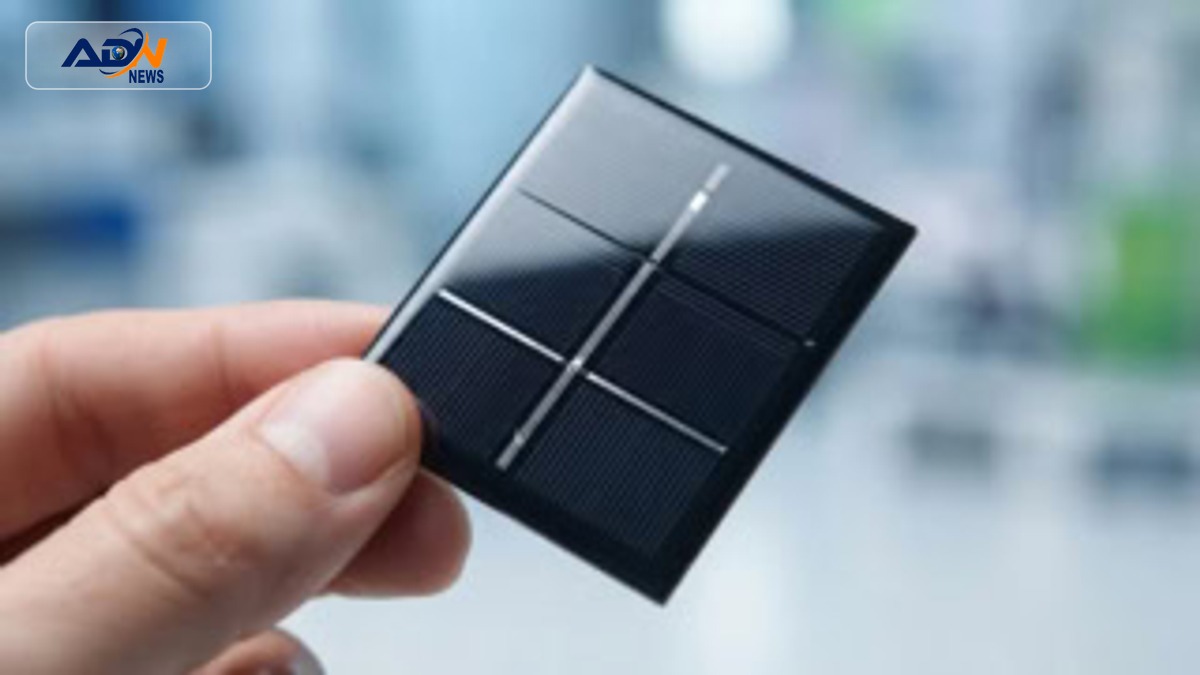
NINGBO: Researchers at the Ningbo Institute of Materials Technology and Engineering in China have achieved a significant milestone in solar technology, enhancing the efficiency of organic solar cells to 20.4%. This breakthrough, detailed in the journal Joule, marks a pivotal advancement in the quest for sustainable energy solutions.
The innovative approach employed by the research team involves a technique known as molecular locking, which has not only improved efficiency but also ensured that the solar cells maintain over 85% of their output even after 2,000 hours of continuous operation. This durability is crucial for the commercial viability of organic solar cells, which have traditionally lagged behind their silicon counterparts.
This development could have far-reaching implications for the renewable energy sector, particularly in regions where traditional solar panels may be less feasible due to weight or installation constraints. The enhanced efficiency and flexibility of these organic solar cells could lead to broader adoption in various applications, from residential rooftops to portable devices, potentially transforming the landscape of solar energy utilization.
Looking ahead, the research team plans to further refine their technology and explore commercial partnerships to bring these advanced solar cells to market. As global demand for renewable energy solutions continues to rise, this innovation could play a vital role in meeting energy needs sustainably.