
Brazil’s Evolving Working Class Challenges Lula in Presidential Runoff
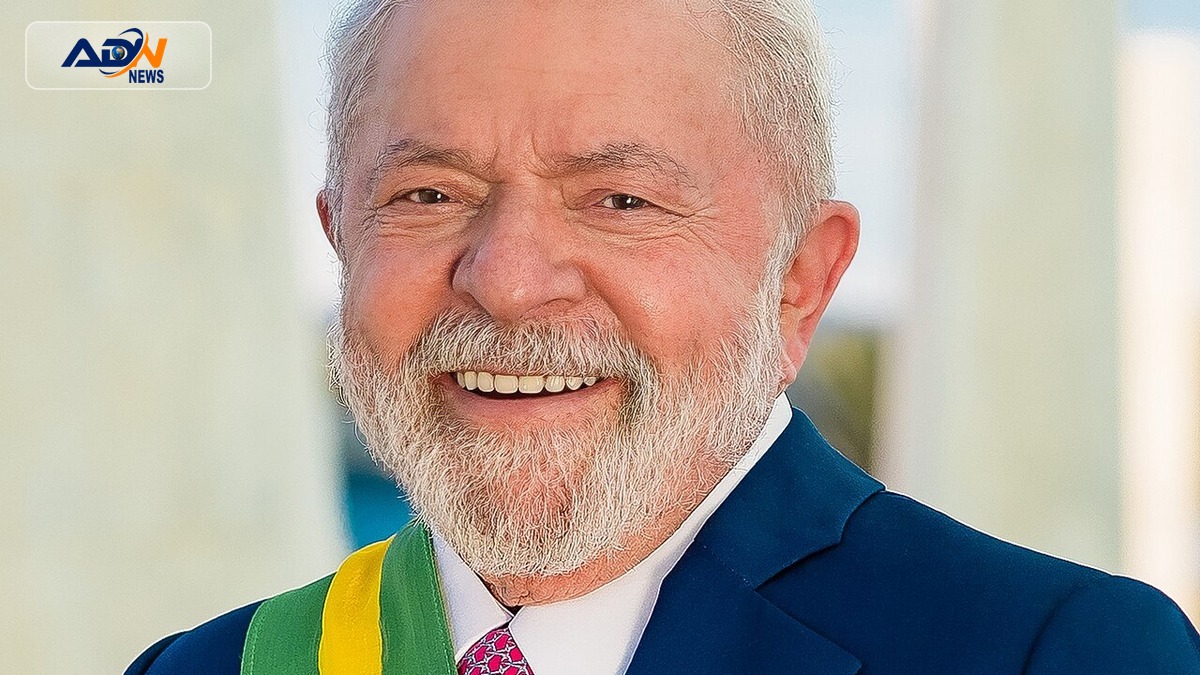
BRASILIA: As Brazil approaches the second round of its presidential election this Sunday, President Luiz Inácio Lula da Silva faces mounting pressure from a changing working class demanding significant reforms. The election outcome could redefine the political landscape in Brazil, as voters express their desire for change amid economic challenges.
In the lead-up to the election, Lula’s administration has been scrutinized for its handling of economic issues, including inflation and unemployment. Many voters, particularly from the working class, are voicing their frustrations over stagnant wages and rising living costs. “We need a government that listens to us and acts on our needs,” said a local union leader, highlighting the urgency for change.
The implications of this election extend beyond Brazil’s borders, as the outcome may influence regional politics and economic policies in South America. A shift in leadership could alter Brazil’s approach to international relations, trade agreements, and environmental policies, particularly concerning the Amazon rainforest.
As the election date approaches, both candidates are ramping up their campaigns, with Lula expected to address the concerns of the working class in his final speeches. Voter turnout will be crucial, and analysts are closely monitoring how the changing demographics of the electorate will impact the results.