
FAO Report Highlights Pakistan’s Food Supply Misalignment with Dietary Guidelines
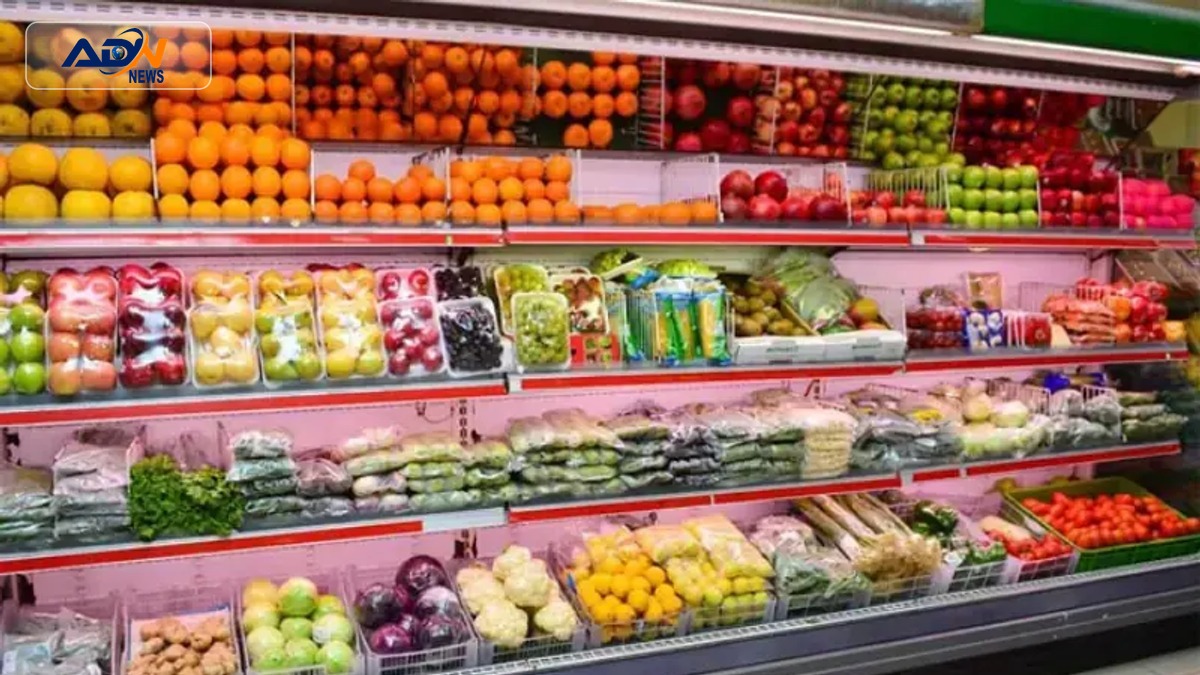
ISLAMABAD: A recent policy brief from the Food and Agriculture Organization (FAO) reveals that Pakistan’s food supply is significantly misaligned with its national dietary guidelines, indicating critical shortages in essential food groups such as vegetables, fruits, roots, tubers, and pulses. In stark contrast, the country has an excess of cereals and sugar, raising concerns about the nutritional quality of available food.
The FAO’s report, titled “Food Supply for Healthy Diets in Pakistan,” underscores the urgent need for equitable access to diverse, nutritious, safe, and affordable foods. Alarmingly, over 60 percent of Pakistanis are unable to afford a healthy diet, contributing to rising malnutrition rates and an increase in diet-related noncommunicable diseases alongside persistent undernutrition.
Since adopting its food-based dietary guidelines in 2018, Pakistan has aimed to provide evidence-based recommendations for healthy eating. However, the FAO emphasizes that promoting healthy diets is futile without ensuring the availability and accessibility of nutritious foods. The assessment compares the annual food supply against population-level requirements across ten dietary guideline food groups from 2010 to 2023, highlighting significant gaps.
Moving forward, stakeholders in Pakistan’s food and health sectors must collaborate to address these disparities. Upcoming discussions among policymakers and health experts are expected to focus on strategies to enhance food security and improve dietary access for all citizens.