
Trump’s Immigration Policies Reshape US Border Control and Deportation Practices
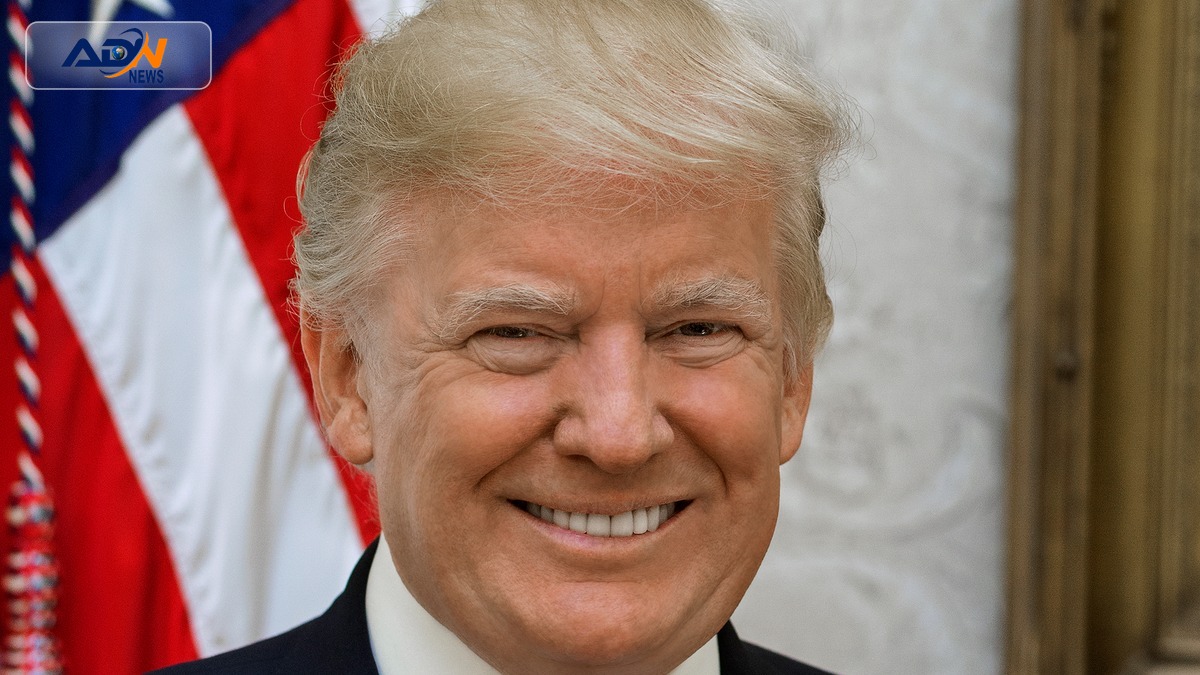
WASHINGTON: Former President Donald Trump’s return to power has significantly altered the landscape of immigration in the United States, focusing on stringent border control and mass deportations. His administration’s policies have sparked widespread debate and concern among various stakeholders, including lawmakers, immigrants, and human rights advocates.
Since taking office again, Trump has reiterated his commitment to a closed border, emphasizing the need for national security and the enforcement of immigration laws. Official statements from the White House highlight a zero-tolerance approach towards illegal immigration, with plans to increase funding for border security measures and expedite deportation processes. Critics argue that these policies undermine humanitarian principles and could lead to family separations.
The implications of Trump’s immigration policies extend beyond the immediate effects on migrants. Economically, businesses that rely on immigrant labor face uncertainty, while politically, the policies have reignited divisions within Congress, complicating bipartisan efforts to reform immigration laws. Public sentiment remains polarized, with many Americans supporting stricter measures while others advocate for more compassionate approaches.
Looking ahead, upcoming congressional hearings are expected to address the ramifications of these policies, with advocacy groups preparing to challenge the administration’s approach in court. The political landscape will likely continue to evolve as both supporters and opponents of Trump’s immigration agenda mobilize ahead of the next election cycle.