
India’s Indigenous Vegetables Highlight Nutritional Gaps in Global Diets
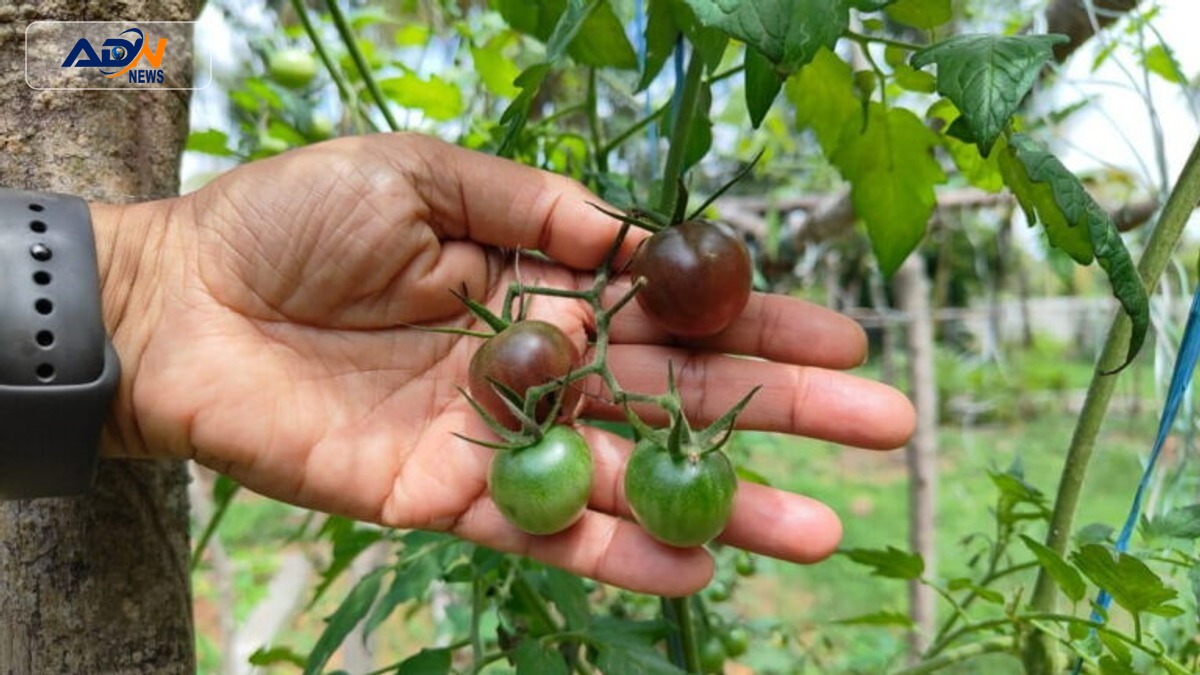
NEW DELHI: India’s diverse range of indigenous vegetables is gaining attention for their potential to enrich global diets and enhance food security. These forgotten vegetables, often overlooked in favor of more commercially popular crops, offer unique nutritional benefits and resilience against climate change.
Experts emphasize that these traditional vegetables, such as bitter gourd and amaranth, are not only rich in vitamins and minerals but also play a crucial role in sustainable agriculture. According to a recent report by Mongabay, the revival of these crops could significantly improve dietary diversity and combat malnutrition, particularly in developing regions.
The implications of embracing these indigenous vegetables extend beyond health; they could also bolster local economies and promote biodiversity. As global food systems face challenges from climate change and population growth, integrating these crops into mainstream diets could provide a sustainable solution to food insecurity.
Looking ahead, agricultural policymakers and environmentalists are urged to collaborate on initiatives that promote the cultivation and consumption of these vegetables. Upcoming conferences on sustainable agriculture will likely address these issues, aiming to create awareness and drive policy changes that support indigenous food systems.