
Afghanistan’s Opium Poppy Cultivation Soars Despite Taliban Ban, UN Reports
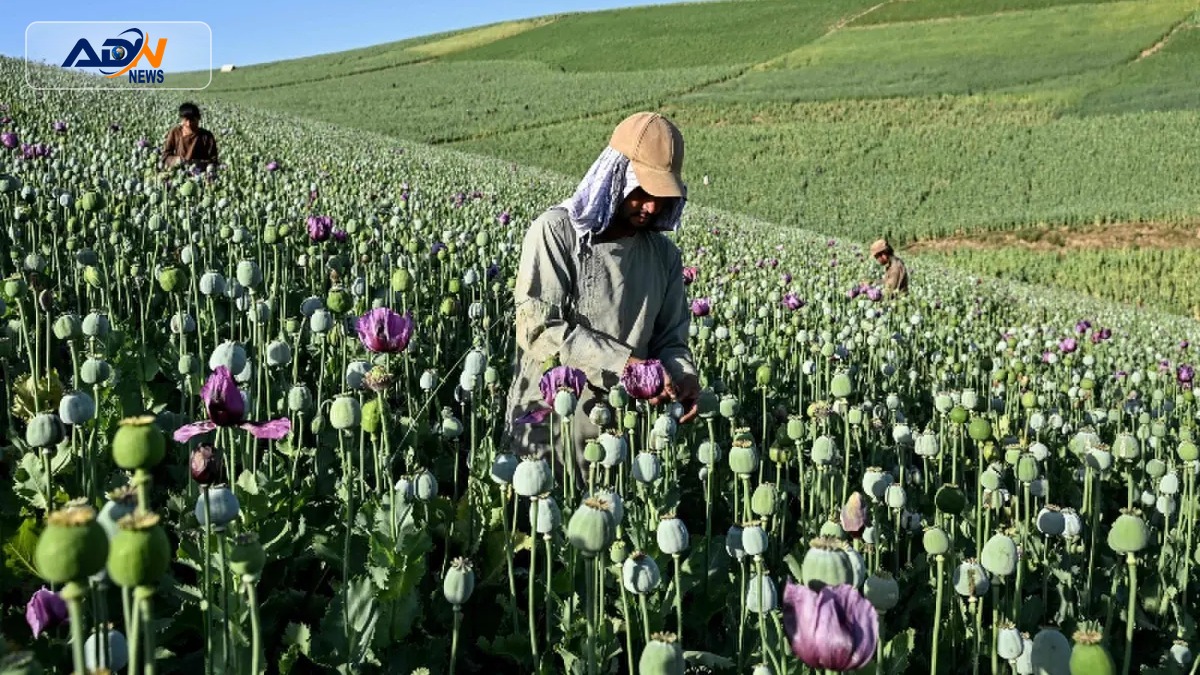
KABUL: Opium poppy cultivation in Afghanistan has surged more than fourfold in 2026, despite a ban imposed by the Taliban government, according to a report released by the United Nations Office on Drugs and Crime (UNODC) on Thursday. The cultivated area expanded to 43,000 hectares, a significant increase from just 10,000 hectares in 2025, while estimated opium production skyrocketed from 300 tonnes to 1,500 tonnes.
The UNODC highlighted that Afghanistan, historically the world’s leading producer of opium poppies, was overtaken by Myanmar following the Taliban’s crackdown on the drug trade in 2022. However, the dire economic conditions and rampant poverty have compelled many farmers to revert to cultivating opium as a means of survival. “Without opium, we cannot even afford basic food,” lamented Mohammad, a 22-year-old farmer from northeastern Afghanistan, in an interview with AFP.
This alarming rise in opium cultivation poses significant challenges for Afghanistan’s economy and governance, as the Taliban struggles to maintain control and legitimacy while addressing the needs of impoverished citizens. The resurgence of the opium trade could also have broader implications for regional security and international relations, as the global community grapples with the consequences of increased drug trafficking.
In light of these developments, the UNODC has called for urgent measures to provide alternative livelihoods for farmers, emphasizing the need for international support to help transition away from opium production. Future discussions among international stakeholders are anticipated to focus on sustainable agricultural practices and economic assistance for affected communities.