
Supreme Court Affirms Women’s Dignity as Constitutional Obligation
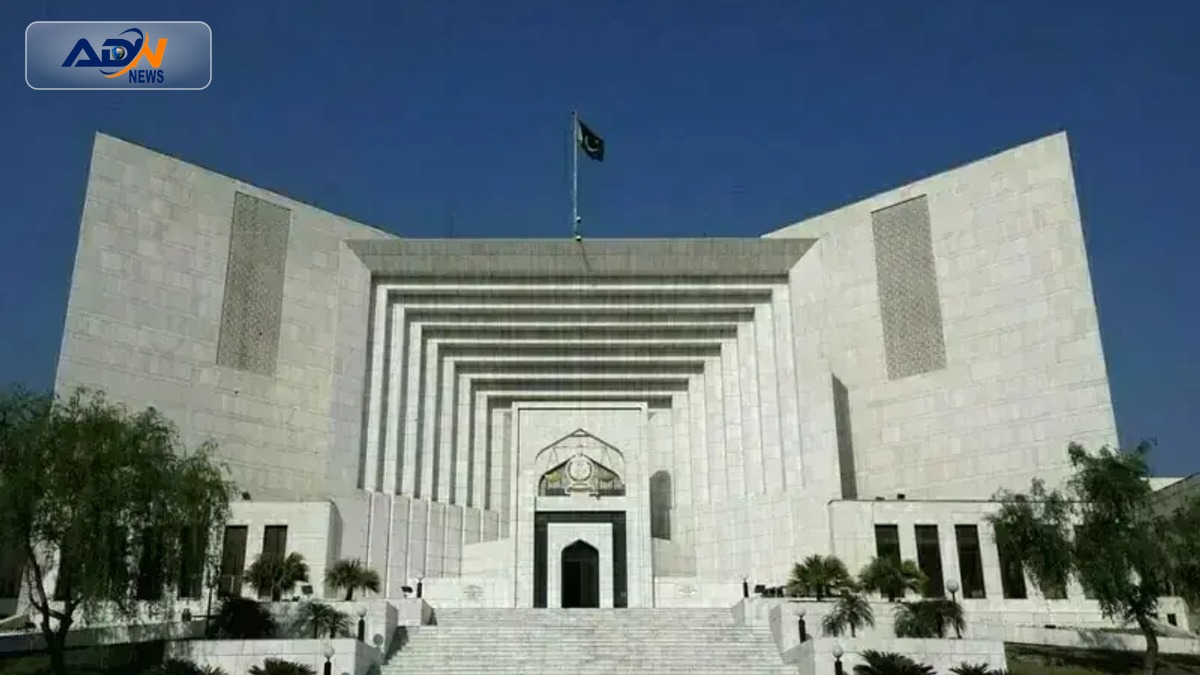
ISLAMABAD: The Supreme Court of Pakistan ruled on Tuesday that respect for a woman’s dignity is not merely a matter of personal morality but a constitutional obligation expected of all state employees. This landmark decision underscores the gravity of off-duty conduct and its implications for public service.
The ruling was delivered by a two-member bench led by Justice Ayesha Malik, alongside Justice Shahid Waheed, who rejected a plea from Jawad Abbasi, a former cook at the Intelligence Bureau. Abbasi challenged his compulsory retirement, which stemmed from allegations that he had set his wife on fire. Justice Waheed emphasized that an acquittal in a criminal case does not negate established misconduct in departmental proceedings, as detailed in the nine-page judgment.
This ruling highlights the judiciary’s commitment to upholding women’s rights and dignity, reinforcing that actions outside of official duties can still reflect on a public servant’s character and fitness for service. It sends a strong message about the accountability of individuals in positions of authority and the expectations placed upon them.
Looking ahead, this decision may prompt further discussions on the standards of conduct for civil servants and could lead to more stringent measures to ensure that public employees adhere to ethical guidelines. The implications of this ruling may also resonate in ongoing debates about women’s rights and protection laws in Pakistan.