
Water Rationing in Recife, Brazil, Exacerbates Racial Inequalities
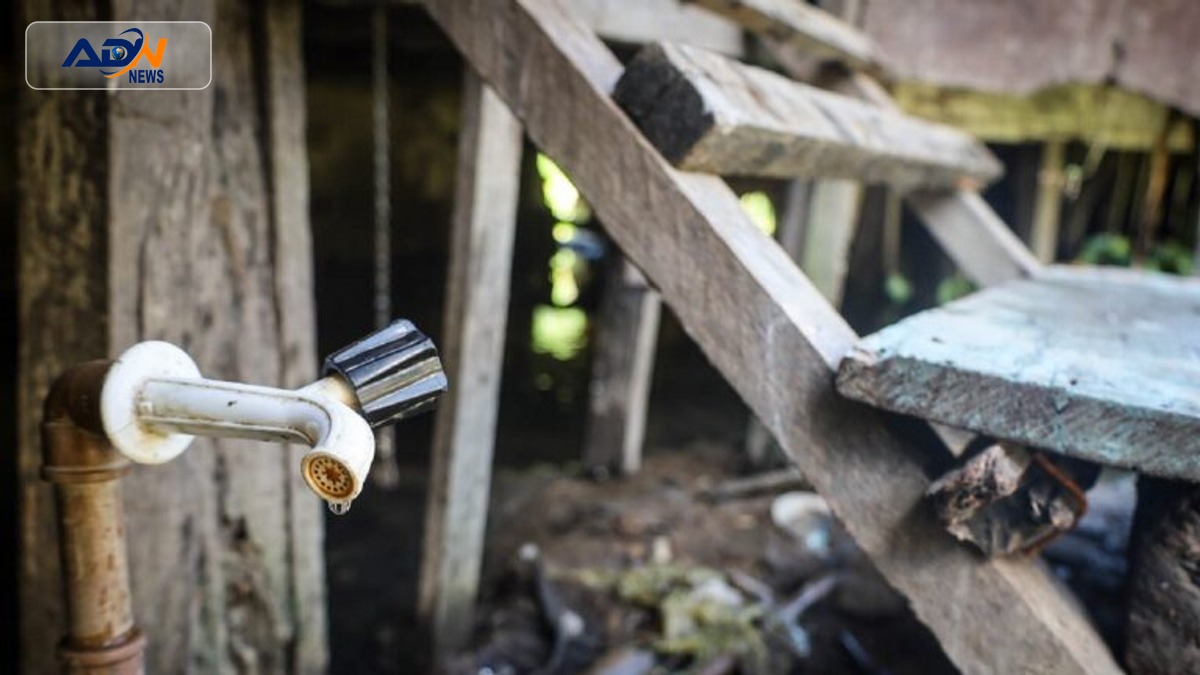
RECIFE: Water rationing measures in Recife, Brazil, are increasingly falling along racial lines, revealing stark disparities in access to this vital resource. The city’s low-income neighborhoods, predominantly inhabited by Black residents, face severe restrictions, while wealthier areas enjoy more consistent water supply.
Local officials have acknowledged the issue, stating that the ongoing drought and mismanagement of water resources have disproportionately affected marginalized communities. Activists argue that this situation highlights systemic racism and calls for urgent reforms to ensure equitable access to water for all citizens.
The implications of this crisis extend beyond immediate health concerns, as limited access to water can hinder economic opportunities and exacerbate social tensions. Residents in affected areas report difficulties in maintaining hygiene and sanitation, raising alarms about potential public health risks.
In response to the growing outcry, city officials are expected to convene a meeting next week to discuss potential solutions and strategies for addressing the inequities in water distribution. Community leaders are urging for a comprehensive plan that prioritizes the needs of the most affected populations.