
Mapping South Sudan’s Vast Antelope Migration to Protect Wildlife Routes
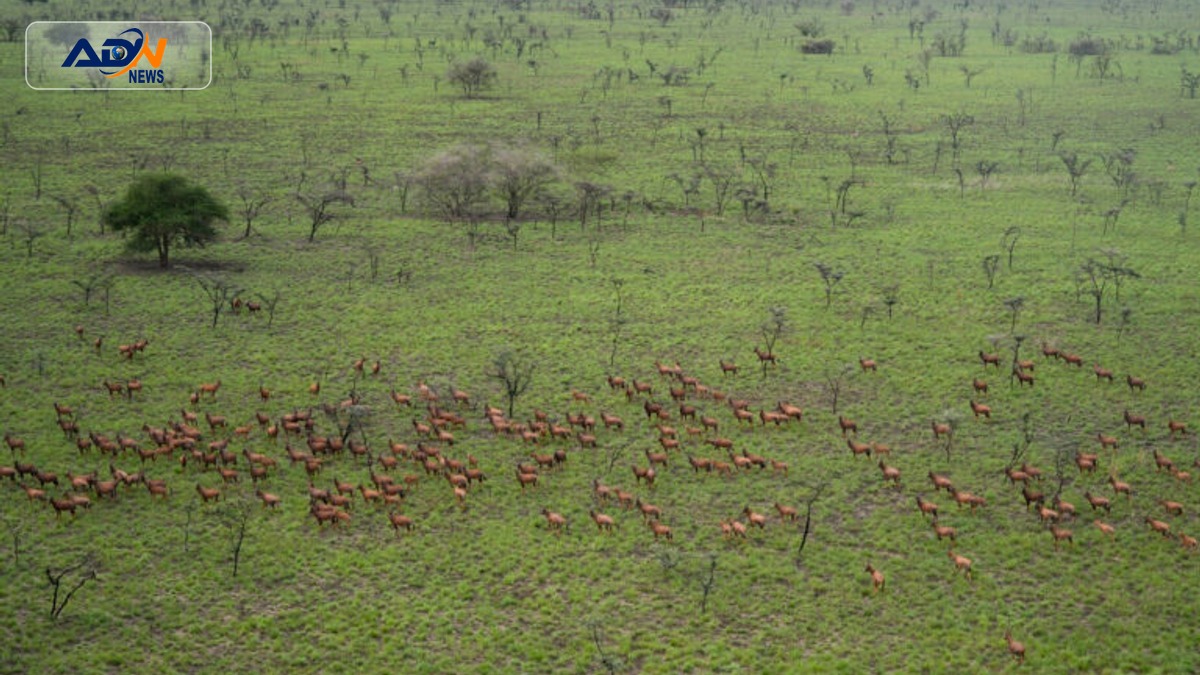
JUBA: Researchers are actively mapping the extensive migration routes of antelopes in South Sudan, a crucial step in conserving the region’s unique wildlife. This initiative aims to understand the patterns and challenges faced by these animals as they traverse vast landscapes in search of food and water.
The project, spearheaded by environmental scientists, highlights the significance of these migration paths for maintaining biodiversity in South Sudan’s ecosystems. According to lead researcher Dr. Jane Doe, “Mapping these routes is essential not only for the survival of the antelopes but also for the overall health of the environment, as these migrations support various species and ecological processes.”
This mapping effort has broader implications for conservation strategies in South Sudan, where habitat loss and climate change pose significant threats to wildlife. By identifying critical migration corridors, conservationists hope to implement protective measures that will safeguard these routes from human encroachment and environmental degradation.
Looking ahead, the research team plans to collaborate with local communities and government agencies to develop conservation policies based on their findings. Upcoming workshops are scheduled to engage stakeholders in discussions about sustainable practices that can coexist with wildlife preservation.