
US Midterms Reshape Trump’s Foreign Policy Landscape Amid Domestic Setbacks
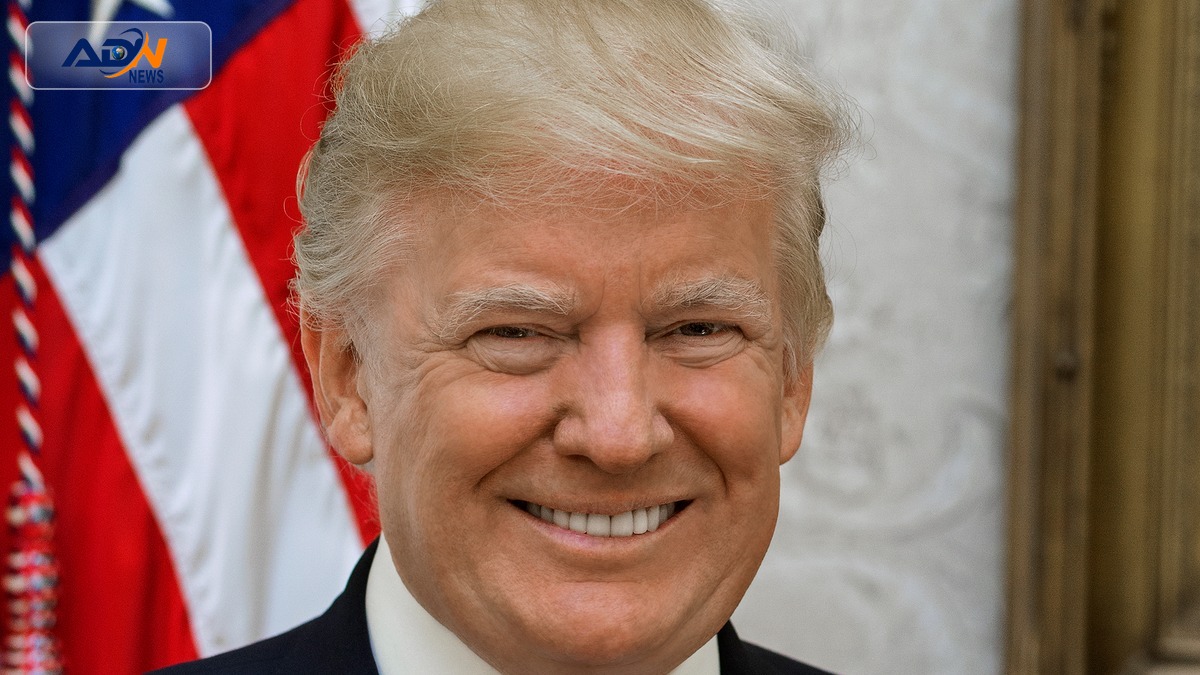
WASHINGTON: The recent US midterm elections have significantly altered the political landscape, impacting not only domestic governance but also the trajectory of international relations under President Donald Trump. The elections, held on November 8, 2022, have curtailed Trump’s influence at home, yet they leave his foreign policy ambitions largely intact.
The midterms resulted in a surprising setback for Trump and the Republican Party, primarily driven by public discontent over the ongoing fallout from the Iran war. Analysts suggest that the election’s outcome, influenced by external conflicts, will reverberate more profoundly in the realm of foreign policy than in domestic affairs. Trump’s ability to wield American power abroad remains a focal point for foreign capitals, as they assess the implications of a divided Congress.
Despite the electoral defeat, Trump retains significant authority over military operations and international negotiations. This dynamic raises questions about how effectively he can navigate foreign policy challenges in the remaining two years of his presidency. Observers note that while the midterms may have clipped his wings domestically, they do not diminish his capacity to act on the global stage.
Looking ahead, the upcoming congressional sessions will be critical in determining how Trump’s administration adapts its foreign policy strategies. Key meetings with international allies and adversaries are expected as the administration seeks to reaffirm its stance on pressing global issues, including the Iran conflict and broader Middle Eastern relations.