
Investigation Reveals Fungus Likely Killed Atlantic Forest Amphibians in 1970s
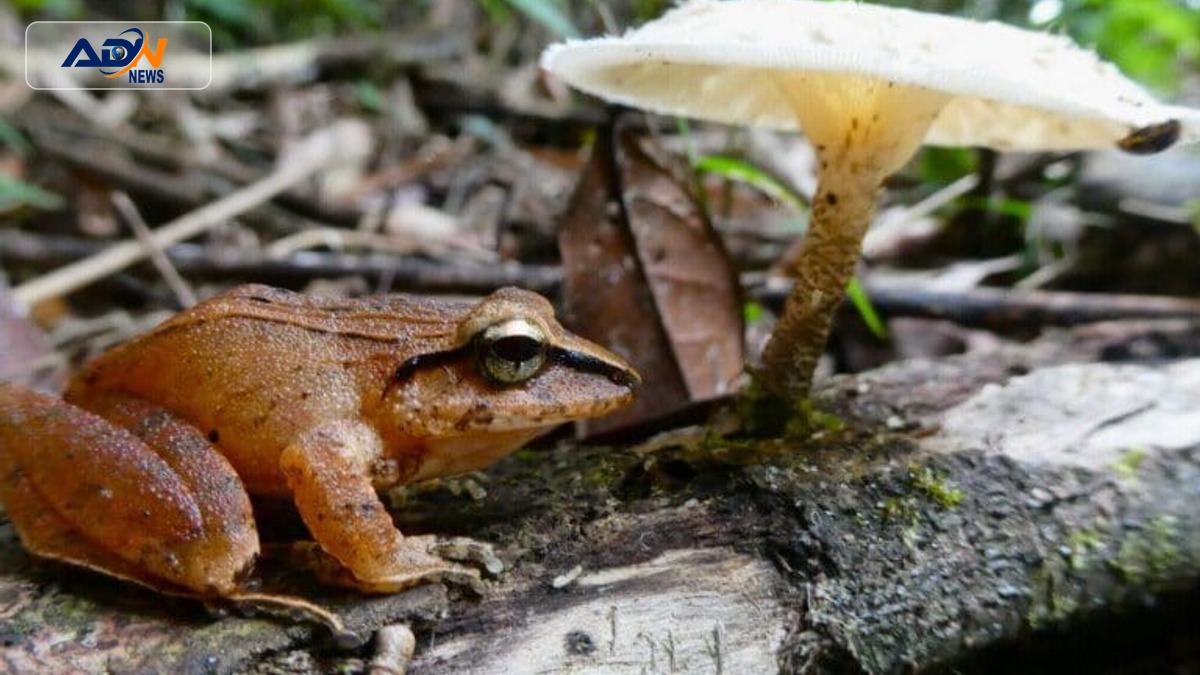
WASHINGTON: An investigation has revealed that a deadly fungus may have been responsible for the significant decline of amphibian populations in the Atlantic Forest during the 1970s and 1980s. This alarming discovery sheds light on the historical impact of disease on biodiversity in one of the world’s most crucial ecosystems.
The study, published by Mongabay Environment News, indicates that the chytrid fungus, which has devastated amphibian species globally, was likely introduced to the region during this period. Researchers analyzed historical data and conducted field studies, concluding that the fungus played a pivotal role in the extinction of several amphibian species native to the Atlantic Forest.
This finding has profound implications for conservation efforts, highlighting the need for increased monitoring and protection of remaining amphibian populations. The decline of these species not only disrupts local ecosystems but also signifies a broader environmental crisis that could affect other wildlife and plant species in the region.
Moving forward, conservationists are calling for immediate action to address the ongoing threats posed by invasive species and diseases. Upcoming international conferences on biodiversity are expected to focus on strategies to mitigate these risks and promote the recovery of affected amphibian populations.