
Rising Sea Levels Threaten Habitats of Over 40% of Global Land Vertebrates
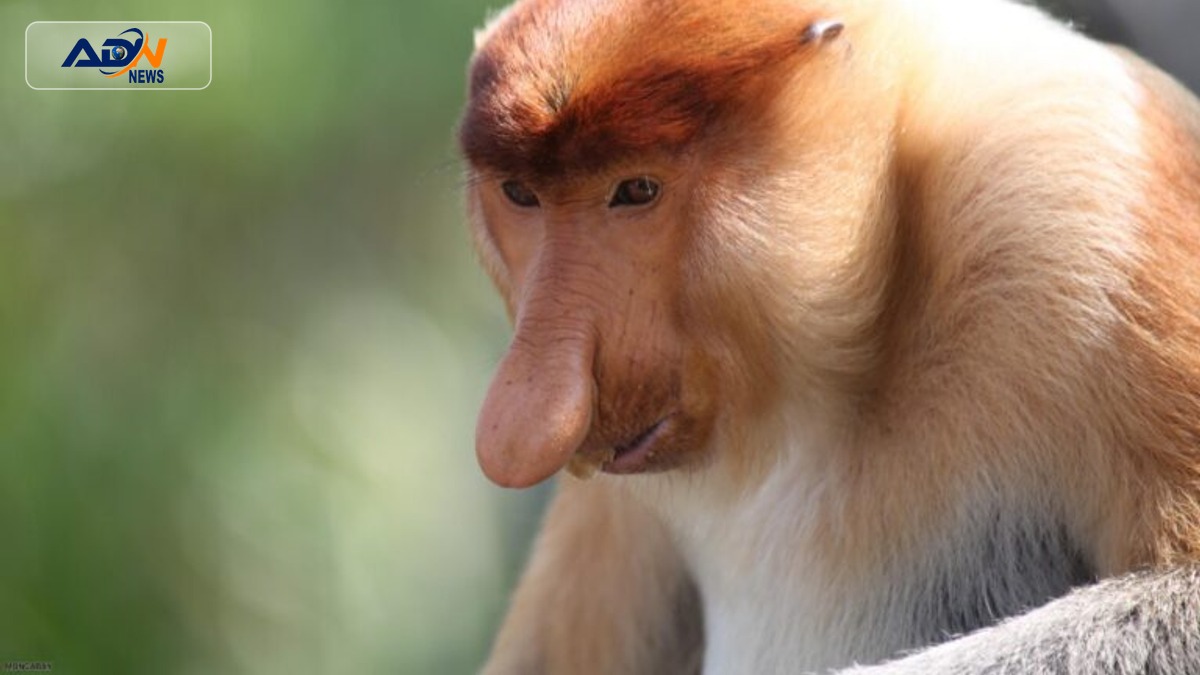
WASHINGTON: A new study reveals that rising sea levels could drastically alter the habitats of more than 40% of the world’s land vertebrates, posing a significant threat to biodiversity. This alarming finding underscores the urgent need for global action to combat climate change and protect vulnerable ecosystems.
The research, published by Mongabay Environment News, highlights that as sea levels continue to rise due to melting ice caps and thermal expansion, many species will face habitat loss and fragmentation. Experts warn that this could lead to increased extinction rates, particularly for species already under stress from human activities and environmental changes.
This development has profound implications for global biodiversity and ecosystem services, which are vital for human survival. The loss of habitats can disrupt food chains, affect water quality, and diminish natural resources that communities rely on. Conservationists emphasize the need for immediate policy interventions and sustainable practices to mitigate these impacts.
Looking ahead, international climate negotiations and local conservation efforts will be crucial in addressing these challenges. Upcoming summits, including the COP28 climate conference, will provide platforms for nations to commit to reducing greenhouse gas emissions and enhancing habitat protection strategies.