
Trump’s Middle East Policy Allegedly Fueled by Bribery and Secret Deals
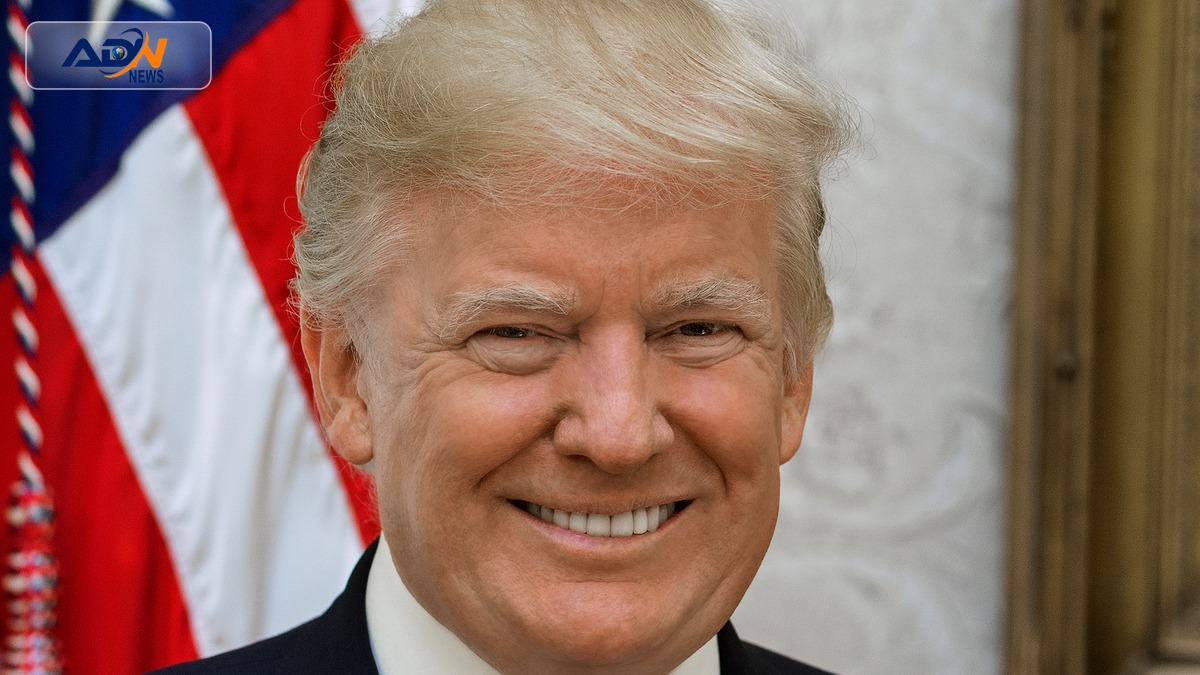
WASHINGTON: Allegations of sleaze, bribery, and clandestine alliances have emerged regarding former President Donald Trump’s Middle East policy during his first term, suggesting a troubling trajectory towards an illegal and unwinnable war against Iran in his subsequent term. Central to these allegations are Trump’s son-in-law and senior adviser, Jared Kushner, alongside several Gulf monarchs and Israeli Prime Minister Benjamin Netanyahu, all purportedly collaborating to reshape the political landscape of West Asia with Iran as the primary adversary.
Reports indicate that billions of dollars may have been funneled to Kushner, potentially marking one of the most significant scandals in recent history. This financial entanglement underscores the intricate relationship between monetary influence and Trump’s approach to Middle Eastern diplomacy, which has escalated tensions in the region and posed global ramifications.
The implications of these revelations are profound, as they not only highlight the ethical concerns surrounding foreign policy decisions but also raise questions about the stability of the Middle East. The alleged efforts to dismantle the Obama-era Iran nuclear deal have intensified hostilities, potentially leading to a broader conflict that could affect international relations and global security.
As investigations into these allegations unfold, further scrutiny is expected on the relationships between U.S. officials and foreign leaders. Upcoming congressional hearings may provide additional insights into the extent of these dealings and their impact on U.S. foreign policy.