
Indonesia Probes Trafficking Ring After Major 3-Ton Pangolin Conviction
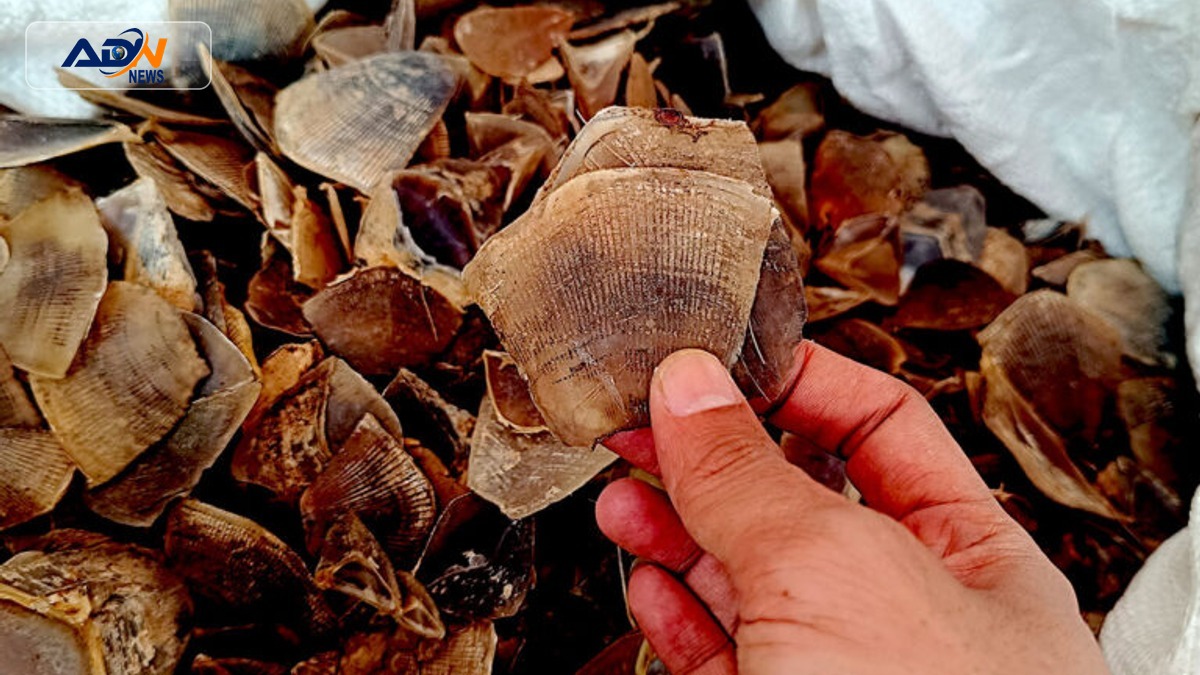
JAKARTA: Indonesian environmental authorities have launched an expanded investigation into an international wildlife crime network following the landmark first conviction linked to a massive three-ton pangolin trafficking bust. Law enforcement agencies confirmed that investigators are now targeting higher-level financiers and cross-border syndicates responsible for smuggling critically endangered pangolins across Southeast Asia.
The recent court ruling marks a pivotal victory in one of the nation’s largest wildlife contraband seizures, which exposed thousands of illicitly harvested pangolin scales and frozen carcasses. Official sources indicated that while the court sentenced key local operatives responsible for storage and transport, specialized investigative units are actively analyzing financial records, encrypted communications, and logistics channels to dismantle the broader syndicate behind the trade.
Pangolins are widely recognized as the world’s most illegally trafficked mammals, driven by relentless black-market demand for their scales used in traditional medicine and their meat consumed as a luxury status symbol. Environmental experts note that successful convictions of this scale are vital for protecting fragile ecosystems, as illegal poaching severely disrupts forest biodiversity across Sumatra and Kalimantan where native Sunda pangolin populations have plummeted drastically in recent years.
Moving forward, the Ministry of Environment and Forestry is intensifying cooperation with regional allies and international law enforcement partners, including Interpol, to trace supply chains reaching foreign destination markets. Task forces expect to unveil further criminal charges and execute additional arrest warrants as digital forensics and financial tracking reveal the full extent of the illicit enterprise in the coming weeks.