
US-Iran Conflict: Status Quo Remains Amid Political Uncertainty
WASHINGTON: The ongoing ‘no war, no peace’ scenario in the US-Iran conflict is increasingly viewed as untenable. Although the immediate threat of a US-Israeli military strike on Iran has subsided, largely due to the recent Republican setbacks in the midterm elections, experts warn that lasting stability in the Gulf region hinges on achieving a sustainable peace.
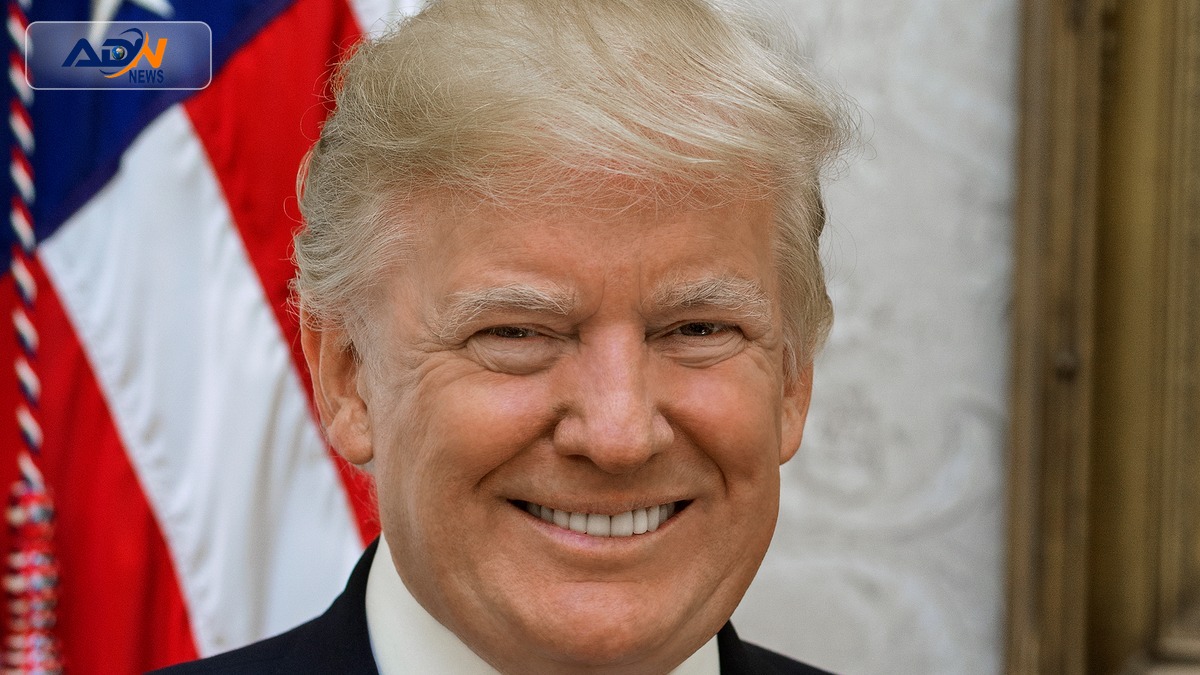
President Donald Trump has been notably inconsistent in his approach, fluctuating between asserting that further military action is unnecessary and issuing new threats against Iran. Following discussions with the Qatari Prime Minister, Trump indicated that the US would continue to uphold the current status quo regarding Iran, a statement that reflects the complexities of the geopolitical landscape.
This precarious situation poses significant implications for regional security and international relations. The lack of a definitive resolution not only affects diplomatic ties but also impacts the economic stability of Gulf nations, which are caught in the crossfire of US-Iran tensions. Citizens in the region remain on edge, as the potential for escalation looms large.
Looking ahead, analysts suggest that diplomatic engagements will be crucial in navigating this fraught landscape. Upcoming meetings among key stakeholders, including discussions involving Qatar, may provide a platform for dialogue aimed at de-escalating tensions and fostering a more stable environment in the Gulf.