
Vietnam’s Freshwater Management Leaves Lasting Impact on Mekong Delta Farmers
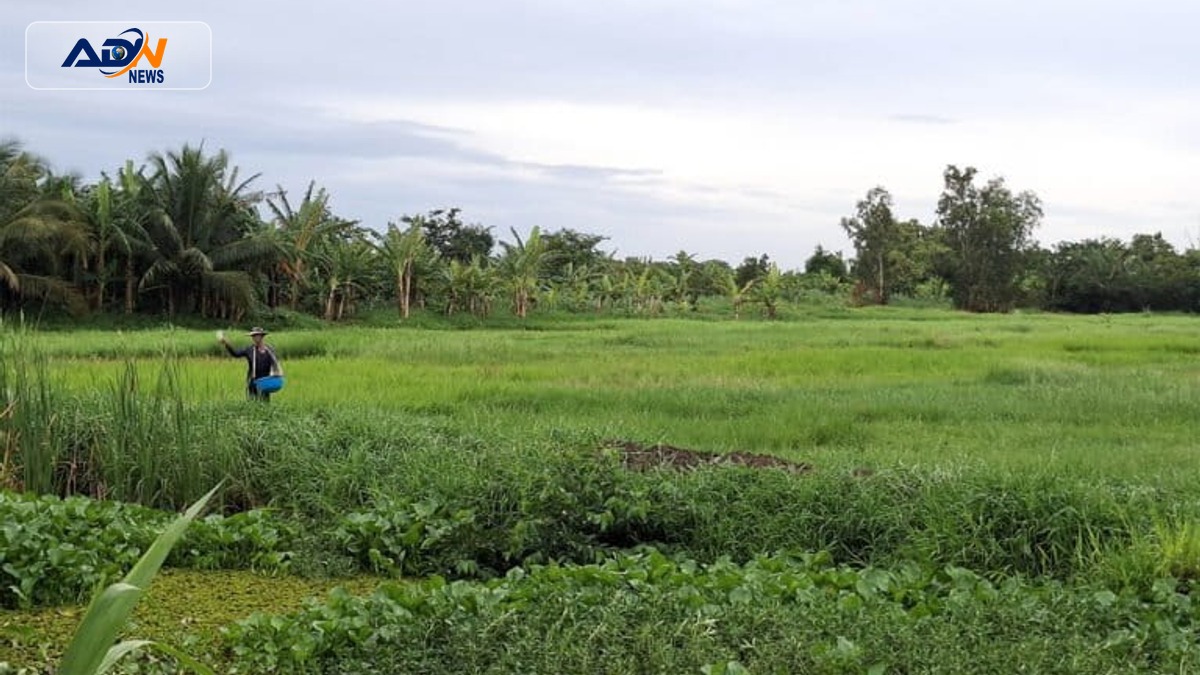
HANOI: Farmers in Vietnam’s Mekong Delta are grappling with the long-term consequences of the country’s aggressive freshwater management policies, which have altered the region’s agricultural landscape over the past few decades. The Mekong Delta, known for its rich biodiversity and fertile lands, has seen significant changes due to the construction of dams and irrigation systems aimed at maximizing water usage.
Local farmers report that these developments have led to soil degradation and reduced crop yields, threatening their livelihoods. “We used to rely on the natural flow of the Mekong River, but now our fields are suffering from salinity and drought,” said Nguyen Van Hoa, a rice farmer in the region. Experts warn that the over-extraction of freshwater resources could exacerbate these issues, leading to food insecurity and economic instability.
The implications of these environmental changes extend beyond the farmers themselves, affecting the broader economy and regional stability. As agriculture remains a cornerstone of Vietnam’s economy, the decline in productivity could hinder the country’s growth and exacerbate poverty levels in rural areas. Additionally, the environmental degradation poses risks to the delicate ecosystem of the Mekong River, which supports millions of people across Southeast Asia.
Looking ahead, the Vietnamese government is expected to convene a series of meetings with environmental experts and local stakeholders to address these challenges. Policymakers are urged to consider sustainable water management practices that balance agricultural needs with environmental conservation to ensure the long-term viability of the Mekong Delta.