
Jaguars Exhibit Social Behavior in Brazil’s Rich Pantanal Ecosystem
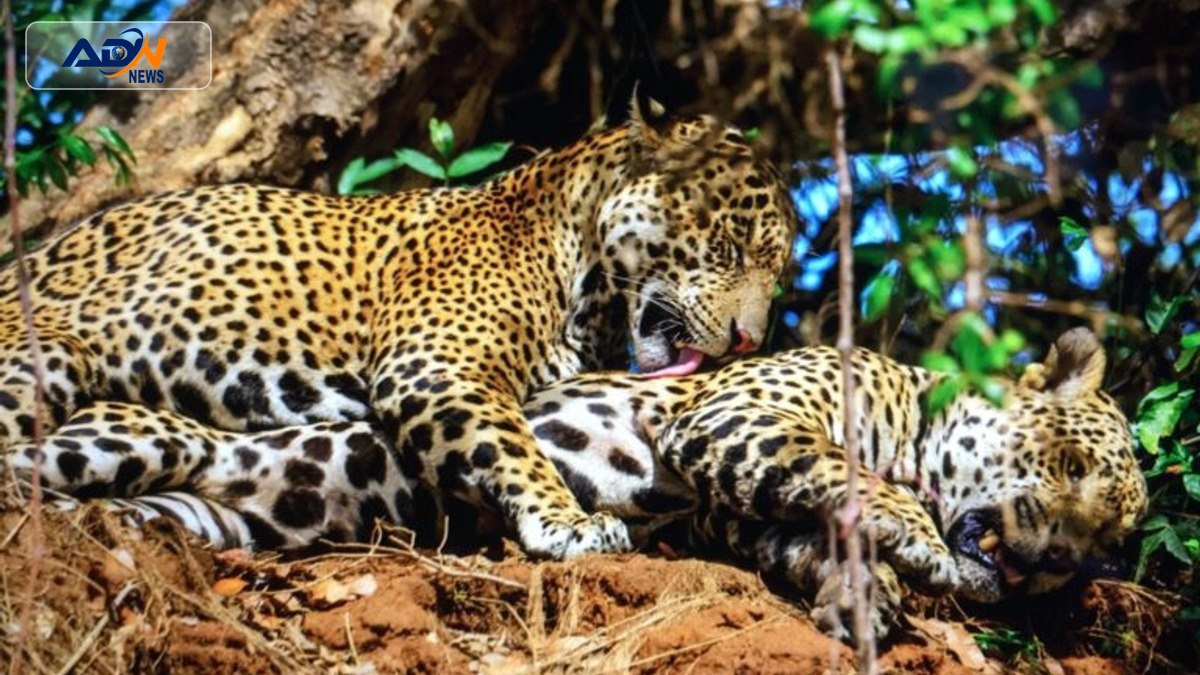
BRASILIA: In a groundbreaking study, researchers have uncovered that jaguars in Brazil’s Pantanal region display surprisingly social behaviors, challenging long-held perceptions of these solitary predators. The findings, published in a recent environmental study, highlight the complex social dynamics of jaguars, particularly in an ecosystem abundant with prey.
The Pantanal, known for its rich biodiversity, serves as a critical habitat for jaguars. Researchers observed these big cats engaging in social interactions, including cooperative hunting and grooming, which are behaviors typically associated with more social species. Dr. Maria Silva, a leading ecologist on the project, stated, “These behaviors suggest that jaguars may have a more intricate social structure than previously understood, which could have significant implications for their conservation strategies.”
This revelation is crucial for wildlife conservation efforts, as understanding the social dynamics of jaguars can lead to more effective management practices in the Pantanal. The region faces threats from habitat loss and climate change, making the preservation of these social structures vital for the species’ survival. Conservationists argue that recognizing the social aspects of jaguar behavior could enhance community-based conservation initiatives.
Looking ahead, researchers plan to conduct further studies to explore the extent of social interactions among jaguars and their impact on population dynamics. Upcoming workshops will focus on integrating these findings into conservation policies, aiming to foster a more sustainable coexistence between jaguars and local communities.