
Animal Cafes and Exotic Pet Trade Heighten Wildlife Disease Risks
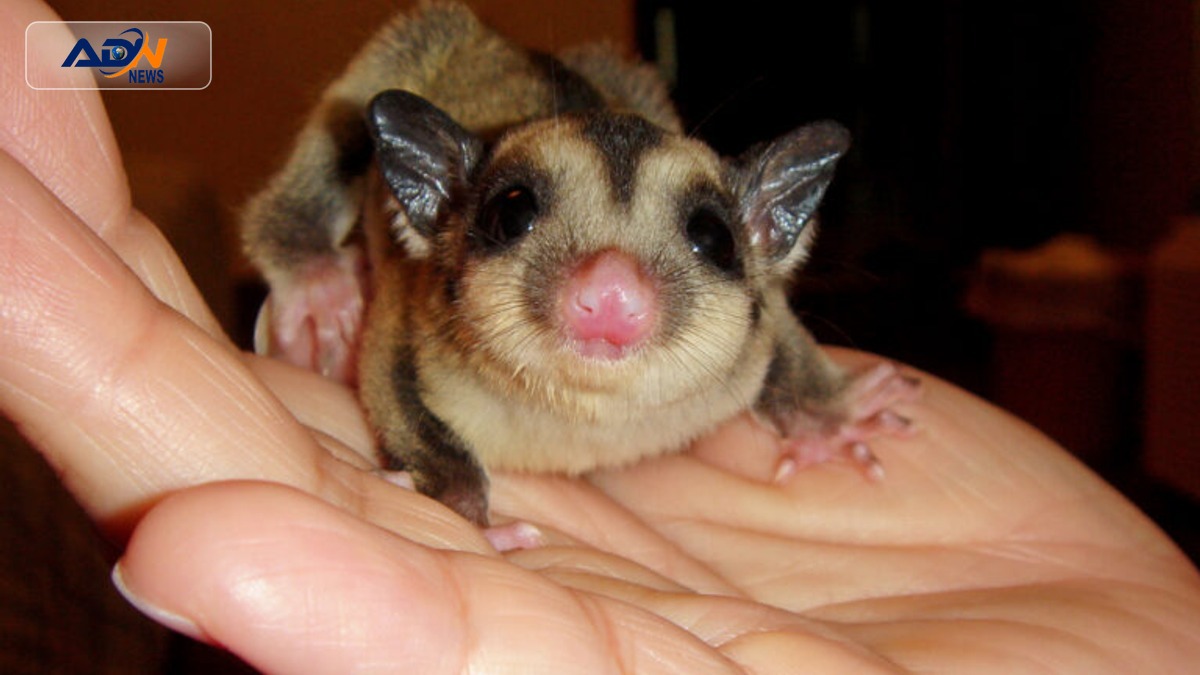
WASHINGTON: The rise of animal cafes and the exotic pet trade is increasingly exposing the public to significant wildlife disease risks, according to a recent report by Mongabay Environment News. These establishments, which allow patrons to interact with various animals, are becoming popular in urban areas, raising concerns among health experts about potential zoonotic diseases.
Experts warn that the close contact between humans and animals in these settings can facilitate the transmission of diseases from wildlife to people. Dr. Jane Smith, a wildlife epidemiologist, stated, “The interaction in animal cafes can lead to outbreaks of diseases that are not only harmful to humans but can also affect local wildlife populations.” The report highlights several instances where patrons have contracted illnesses linked to animal interactions.
This trend poses broader implications for public health and wildlife conservation efforts. As urbanization continues to blur the lines between human and wildlife habitats, the risk of disease spillover increases, potentially leading to public health crises. The exotic pet trade further complicates this issue, as it often involves the illegal trafficking of animals that may carry unknown pathogens.
In response to these findings, health officials are calling for stricter regulations on animal cafes and the exotic pet trade. Upcoming meetings among wildlife health organizations and public health agencies are expected to address these concerns and explore potential policy measures to mitigate risks.