
Lahore Traffic Police Order Ride-Hailing Apps to Share Driver Data
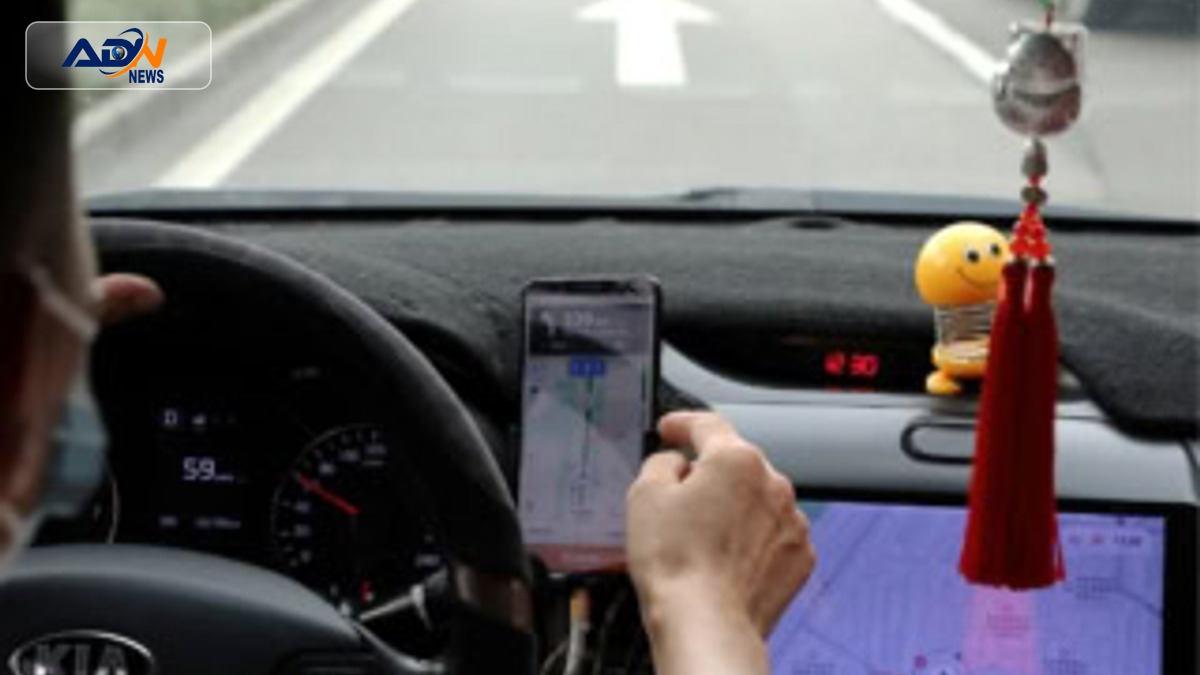
LAHORE: In a bid to bolster public safety and regulatory oversight across the provincial capital, the Lahore Traffic Police have directed all online taxi and ride-hailing platforms to submit comprehensive driver records for immediate background verification. The authoritative directive aims to ensure that individuals with documented criminal records or active law enforcement cases are strictly barred from providing commercial passenger services through digital transit applications.
The mandate was formally issued by Chief Traffic Officer (CTO) Lahore, Syed Abdul Rahim Sherazi, during an executive operational meeting with traffic authorities and digital transport representatives. Under the newly established protocol, ride-hailing apps must hand over full personal credentials, Computerized National Identity Card (CNIC) numbers, driving license details, and registered vehicle data for all active drivers. CTO Sherazi stated that the verification process will cross-reference driver profiles against police records to eliminate safety risks for urban commuters.
The safety drive comes amid growing public calls for enhanced security standards within Pakistan’s expanding gig economy and technology-driven transport market. Over recent years, mobile ride-hailing services have become vital daily transit options for millions of residents in major urban centers such as Lahore, Karachi, and Islamabad. However, concerns regarding inadequate driver screening and passenger safety have underscored the urgent necessity for robust regulatory frameworks and official police oversight of app-based operators.
Traffic authorities have issued a strict warning that platform operators failing to comply with the record-submission mandate within the designated timeframe will face immediate legal penalties, including potential operational suspensions within municipal limits. The Lahore Traffic Police plan to launch the first phase of driver verification next week in coordination with provincial law enforcement agencies to construct an integrated security database.