
Indonesia’s Domestic Palm Oil Market Leads in Deforestation Impact
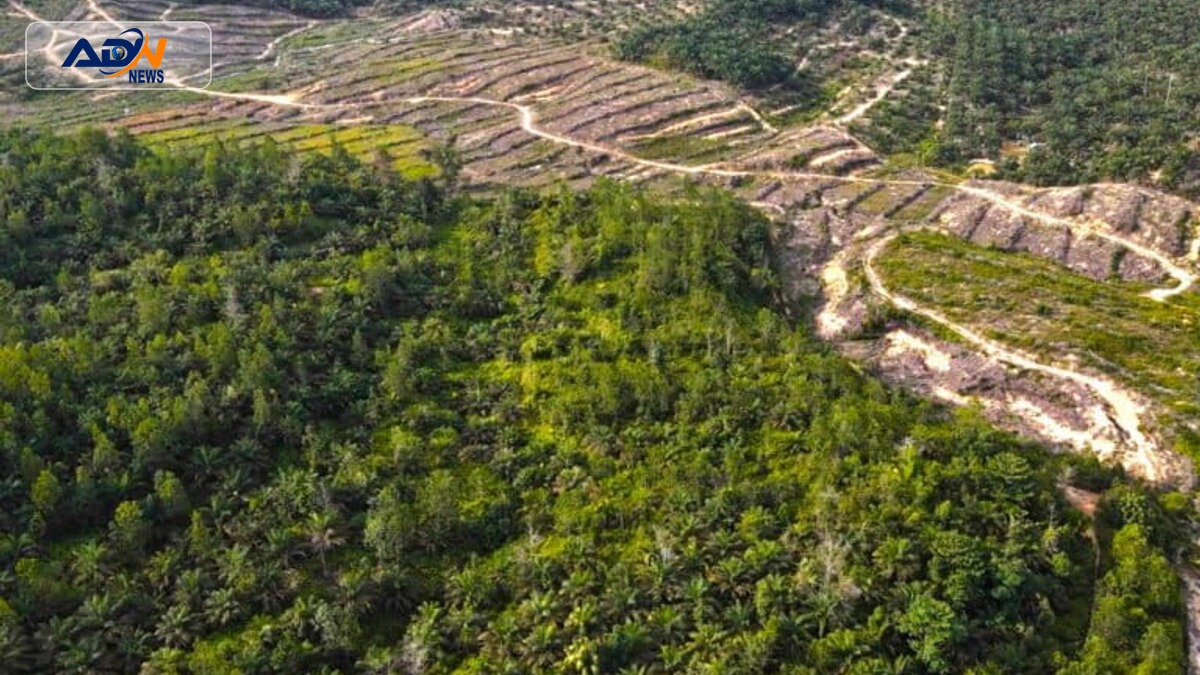
JAKARTA: Indonesia’s domestic palm oil market is identified as the largest contributor to deforestation, raising significant environmental concerns. Recent studies reveal that the expansion of palm oil plantations has led to extensive forest loss, impacting biodiversity and contributing to climate change.
According to a report by Mongabay Environment News, the rapid growth of the palm oil industry in Indonesia has resulted in the clearing of vast tracts of rainforest, which are crucial for carbon storage and wildlife habitats. Experts emphasize the need for stricter regulations and sustainable practices to mitigate these adverse effects. “The palm oil sector must adopt more responsible practices to protect our forests and ecosystems,” stated an environmental advocate.
This alarming trend poses serious implications for Indonesia’s environment and its global commitments to combat climate change. The loss of forests not only threatens wildlife but also undermines the livelihoods of local communities dependent on these ecosystems. The international community is increasingly scrutinizing Indonesia’s environmental policies, which could affect trade relations and foreign investment.
In response to these challenges, Indonesian authorities are expected to convene a series of meetings aimed at addressing deforestation and promoting sustainable palm oil production. Stakeholders, including government officials, environmental groups, and industry representatives, will discuss potential reforms and strategies to balance economic growth with environmental preservation.