
Sámi Reindeer Herders Criticize Human-Wildlife Payment Scheme Amid Concerns
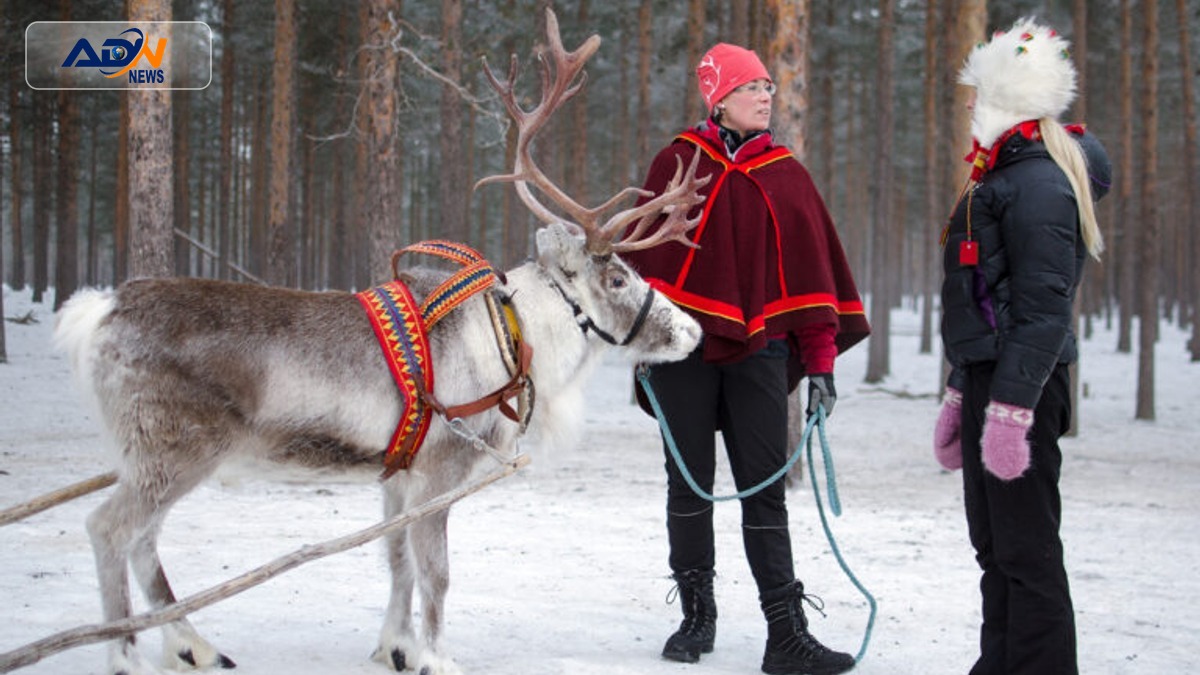
OSLO: Sámi reindeer herders are voicing strong opposition to a newly proposed payment scheme aimed at promoting human-wildlife coexistence in the Nordic region. The initiative, introduced earlier this year, seeks to compensate herders for losses incurred due to wildlife interactions, particularly with predators like wolves and bears.
Critics argue that the scheme fails to adequately address the complexities of wildlife management and the cultural significance of reindeer herding. “This payment model does not reflect the realities we face on the ground,” stated a representative from the Sámi Council. Many herders feel that the compensation amounts are insufficient and do not cover the full extent of their losses, leading to further economic strain.
The implications of this criticism are significant, as the Sámi community plays a crucial role in maintaining traditional practices that are integral to the region’s cultural heritage. The ongoing tensions highlight the broader challenges of balancing wildlife conservation with the rights and livelihoods of indigenous populations. As debates intensify, the government may face pressure to revise the payment scheme to ensure it meets the needs of all stakeholders involved.
Looking ahead, a series of consultations are scheduled between Sámi representatives and government officials to discuss potential adjustments to the scheme. These meetings aim to foster a more collaborative approach to wildlife management that respects both conservation goals and indigenous rights.