
Leonid Meteor Shower Set to Peak Tuesday Night in Dazzling Display
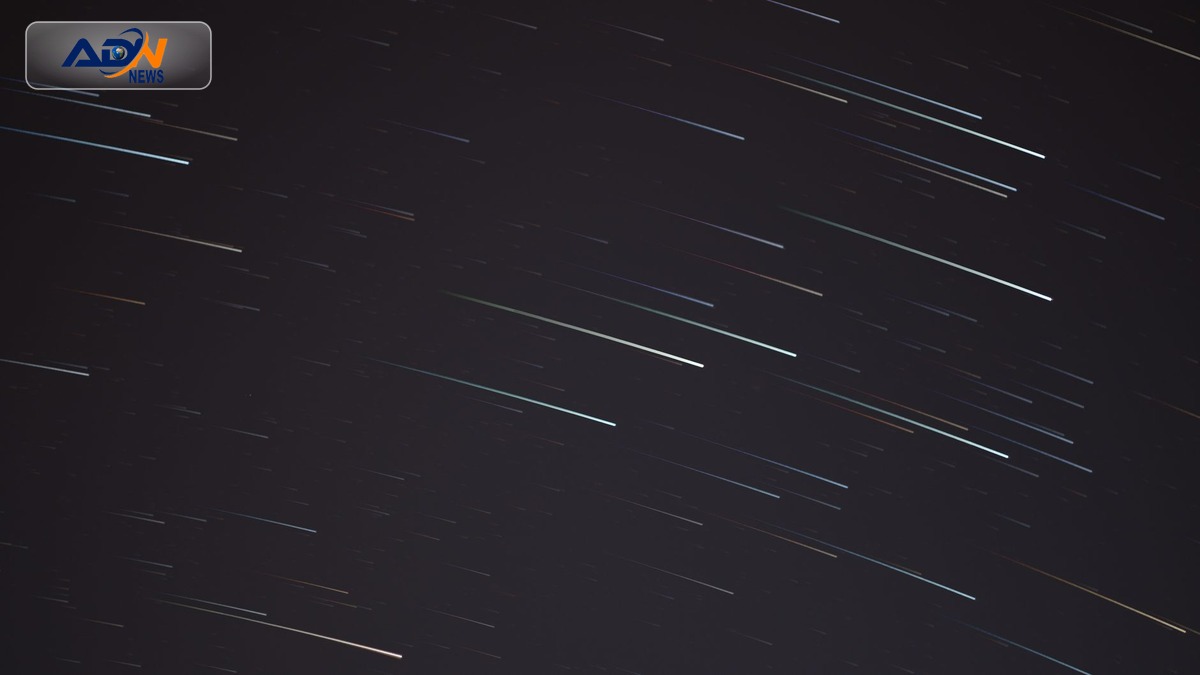
LONDON: Stargazers across the globe are preparing for a spectacular celestial display as the annual Leonid meteor shower reaches its peak on Tuesday night, illuminating night skies with swift and luminous streaks of light. Renowned among astronomers for producing some of the fastest-moving meteors in the solar system, the celestial phenomenon will be visible across both the northern and southern hemispheres under clear weather conditions.
The Leonids originate from debris shed by Comet 55P/Tempel-Tuttle, an icy body that orbits the Sun roughly every 33 years. As Earth traverses the trail of dust and cosmic fragments left behind by the comet, particles collide with the upper atmosphere at speeds exceeding 70 kilometres per second, instantly vaporising into radiant meteors. Astronomers note that while the Leonids historically produce dramatic “meteor storms” capable of generating thousands of fireballs per hour, this year’s passage is expected to yield a steady display of roughly 10 to 15 meteors per hour under optimal viewing conditions.
The celestial event also highlights the growing environmental concern surrounding artificial light pollution, which increasingly hinders scientific observation and disrupts nocturnal wildlife ecosystems across urban settlements. Dark-sky advocates and environmental groups emphasize that witnessing such natural wonders relies heavily on the preservation of pristine night skies, urging municipal planners to adopt shielded, low-impact lighting solutions that reduce urban glow and protect nocturnal environments.
Astronomers advise skywatchers to seek open viewing locations well away from city streetlights during the pre-dawn hours of Wednesday, allowing at least twenty minutes for their eyes to adapt fully to the dark without the interference of mobile screens. Following the conclusion of the Leonid peak, the astronomical community will set its sights on the upcoming Geminid meteor shower in mid-December, widely considered one of the richest celestial events of the year.