
Global Clean Energy Shift Requires Vast Lands, Poses Risks to Indigenous Rights
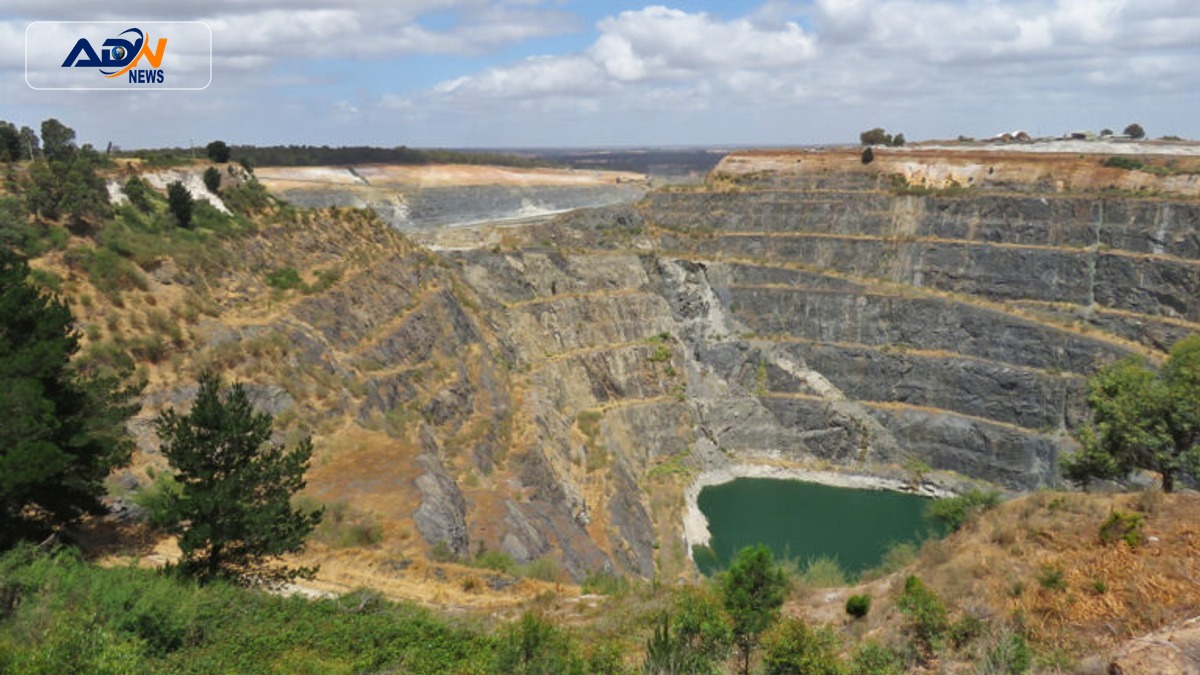
ISLAMABAD: A recent report highlights that the global transition to clean energy necessitates millions of acres of land, raising significant concerns regarding the rights of indigenous communities. This shift, driven by the urgent need to combat climate change, is expected to intensify land competition and could lead to the displacement of vulnerable populations.
The report, published by Mongabay Environment News, emphasizes that while the transition to renewable energy sources such as solar and wind is crucial for reducing carbon emissions, it often overlooks the rights and territories of indigenous peoples. Experts warn that without proper safeguards, these communities may face increased marginalization and loss of their ancestral lands.
This situation poses broader implications for social justice and environmental equity, as indigenous groups often play a vital role in biodiversity conservation. Their displacement could undermine local ecosystems and exacerbate existing inequalities, raising questions about the ethical dimensions of the clean energy agenda.
Looking ahead, stakeholders are urged to engage in meaningful consultations with indigenous communities to ensure their rights are respected in the energy transition process. Upcoming international climate conferences are expected to address these issues, emphasizing the need for inclusive policies that balance environmental goals with social justice.