
New Study Maps Jaguar Populations Across the Americas to Aid Conservation
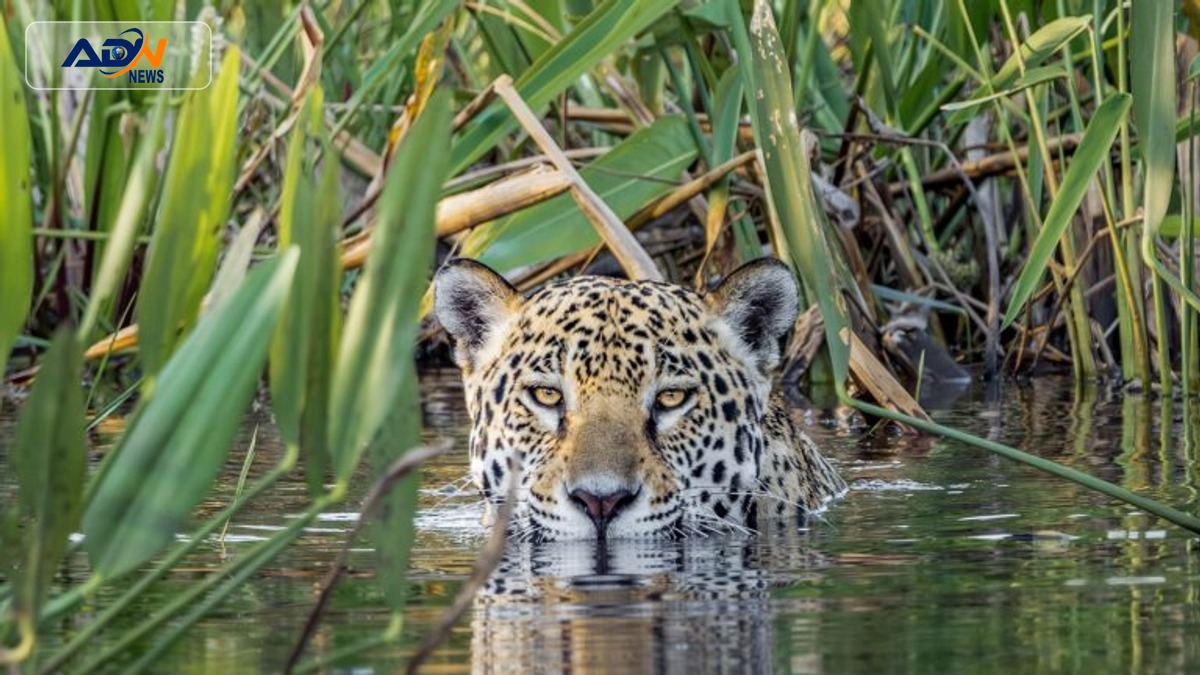
WASHINGTON: A groundbreaking study has mapped the distribution of jaguar populations across the Americas, aiming to bolster conservation efforts for this iconic species. Conducted by a team of researchers, the study highlights critical habitats and migration corridors essential for the survival of jaguars, which are currently facing threats from habitat loss and poaching.
According to the study, which was published this week, jaguars are primarily found in tropical rainforests, but their range extends to various ecosystems across Central and South America. Lead researcher Dr. Maria Lopez stated, “Understanding the spatial dynamics of jaguar populations is vital for developing effective conservation strategies. Our findings will help guide policy decisions and habitat protection initiatives.” The research utilized advanced mapping techniques and data from over 1,000 sightings to create a comprehensive overview of jaguar distribution.
This study has significant implications for biodiversity conservation efforts in the region. As apex predators, jaguars play a crucial role in maintaining the health of their ecosystems. Protecting their habitats not only benefits jaguars but also supports a wide array of other species that share their environment. Conservationists are hopeful that this research will lead to increased funding and support for wildlife protection programs.
Looking ahead, the research team plans to collaborate with local governments and NGOs to implement conservation measures based on their findings. Upcoming workshops are scheduled to discuss strategies for habitat preservation and community engagement in conservation efforts. The team aims to ensure that jaguar populations can thrive in their natural habitats for generations to come.