
One-Third of US States Cut Fuel Taxes Amid Rising Prices Before Midterms
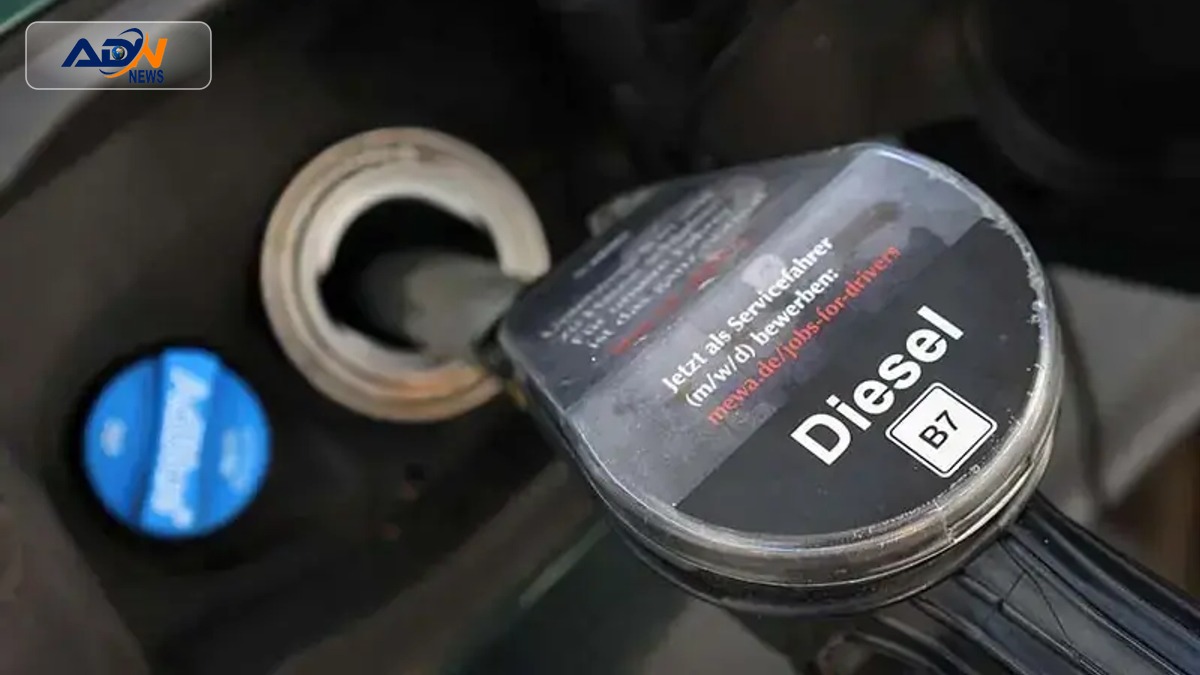
WASHINGTON: A significant surge in fuel prices ahead of the November midterm elections has prompted approximately one-third of US states to either reduce fuel taxes or relax diesel restrictions. This move aims to mitigate the financial burden on consumers amid escalating costs linked to the ongoing conflict in the Middle East.
With voters increasingly anxious about the rising cost of living, the spike in gasoline and diesel prices presents an urgent political challenge for governors and state lawmakers. The price at the pump serves as a stark indicator of how international conflicts are impacting American households. According to the latest report from AAA, the national average gasoline price stands at $4.41 per gallon, reflecting a nearly seven-cent decrease in the week ending October 1, following a record-setting September.
The AAA attributes the persistent price pressures to fluctuations in crude oil markets, exacerbated by the instability in shipping routes through the Strait of Hormuz. This situation has raised concerns among consumers and policymakers alike, as the economic implications of rising fuel costs ripple through the economy, potentially influencing voter sentiment in the upcoming elections.
As states like Ohio respond to these challenges, further discussions on fuel tax policies and potential legislative measures are expected in the coming weeks. Lawmakers are under pressure to address these issues swiftly to alleviate the financial strain on their constituents ahead of the critical midterm elections.