
Constitutional Changes Demand Debate and Consensus for Future Revisions
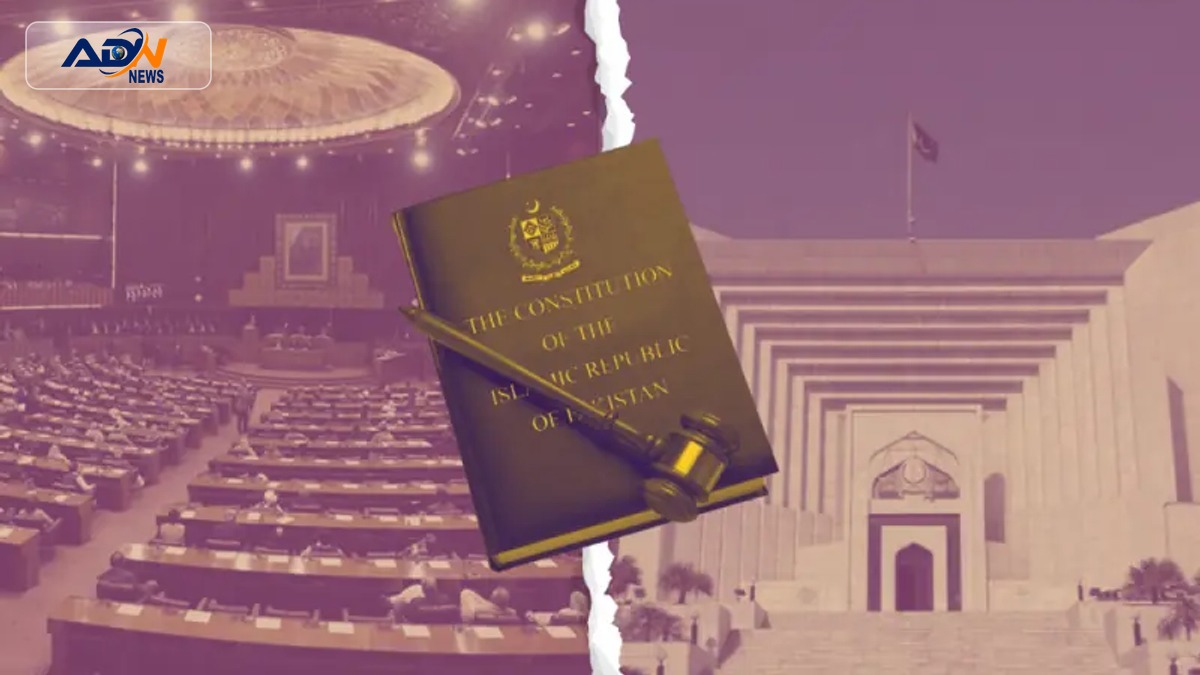
ISLAMABAD: Recent amendments to Pakistan’s Constitution have sparked discussions about the need for thorough debate and consensus before any further changes are made. The urgency of these adjustments has raised concerns among legal experts and political analysts regarding their implications for governance and democracy.
In a recent editorial, it was emphasized that the two hasty constitutional tweaks should serve as a cautionary tale. Experts argue that any future amendments must involve comprehensive discussions among stakeholders, including political parties, civil society, and legal authorities. The editorial highlights the importance of transparency and public engagement in the legislative process to ensure that changes reflect the will of the people.
The implications of these constitutional changes are significant for citizens, as they directly affect the balance of power within the government and the protection of individual rights. Political stability and public trust in the government hinge on the legitimacy of these amendments, which must be perceived as fair and inclusive.
Looking ahead, it is crucial for lawmakers to schedule meetings that facilitate open dialogue on constitutional reforms. Engaging various political factions and civil society organizations will be essential to foster a collaborative environment. The government must prioritize consensus-building to avoid further polarization and ensure that any future amendments are well-received by the public.