
New Provinces Cannot Solve Pakistan’s Deep Crises: Shahi Syed
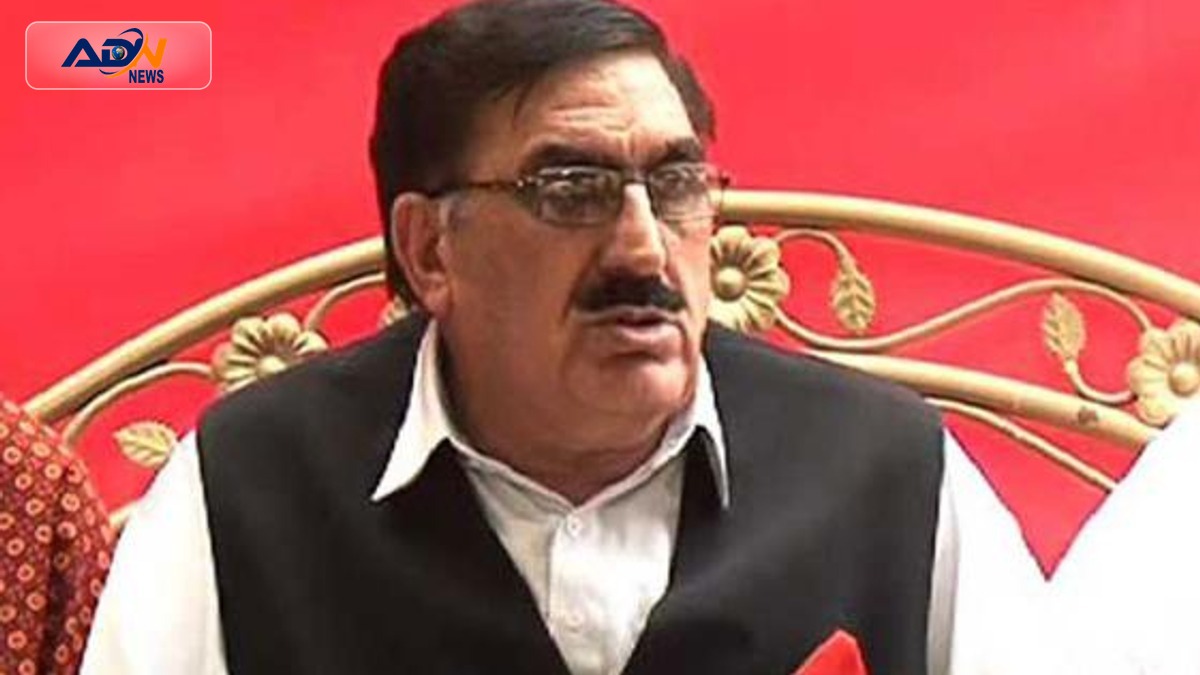
KARACHI: Senior political leader Shahi Syed has asserted that carving out additional administrative units will fail to resolve the nation’s systemic challenges, remarking that multiplying provinces from twelve to fifty would yield no tangible relief for the public. Addressing a gathering in Karachi, the veteran politician emphasized that structural reforms, sincere leadership, and institutional strengthening remain far more critical for national stability than redrawing internal boundaries.
Syed elaborated that administrative restructuring without a fundamental shift in governance priorities is merely a cosmetic exercise. He pointed out that corruption, economic mismanagement, and flawed policy implementation are the primary drivers behind the suffering of ordinary citizens. According to him, resources and power must be efficiently utilized at the grassroots level within existing frameworks rather than creating new bureaucratic layers that could further strain the national exchequer.
The remarks come at a time when debates regarding the creation of new provinces frequently resurface in Pakistan’s political landscape, often championed by various regional groups seeking administrative convenience or political leverage. Analysts note that while proponents argue smaller units improve service delivery, critics consistently highlight the massive financial costs associated with establishing new provincial assemblies, secretariats, and judicial infrastructures.
Political observers anticipate that Syed’s stance will spark fresh debates among lawmakers and civil society regarding the true prerequisites for equitable development and administrative efficiency. As economic pressures continue to mount on the federal and provincial governments, policymakers are expected to face renewed scrutiny over whether administrative division or fiscal decentralization is the appropriate remedy for the country’s governance deficits.