
US Study Reveals Crucial Role of Wolves in Wild Blueberry Growth
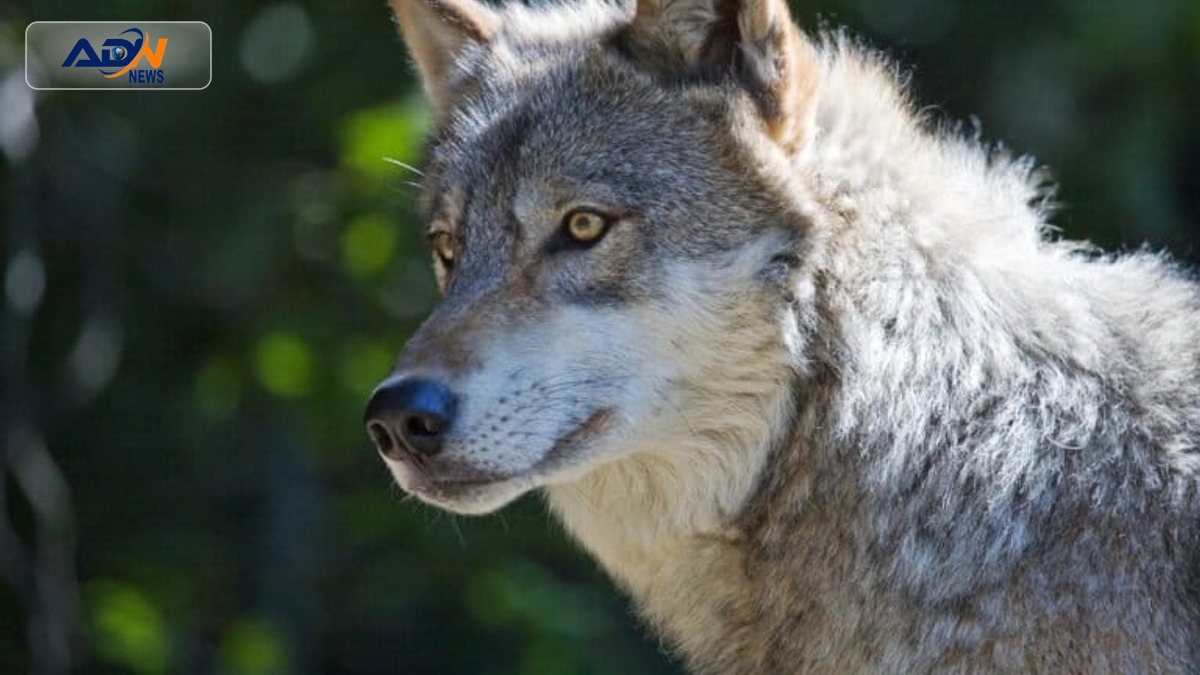
WASHINGTON: A comprehensive new ecological study conducted in the United States has revealed that gray wolves play a surprisingly vital role in fostering the growth and proliferation of wild blueberries across forest ecosystems. Researchers found that apex predators indirectly influence plant life by regulating herbivore populations, which in turn alters foraging patterns and nutrient distribution in natural habitats, demonstrating the intricate balance of trophic cascades.
According to the findings published by environmental scientists, the presence of wolves restricts the movement and feeding habits of large browsers like deer and elk. This behavioral modification prevents overgrazing in sensitive understory zones, allowing delicate fruit-bearing plants such as wild blueberries to thrive undisturbed. Environmental experts noted that removing top predators disrupts this delicate ecological equilibrium, leading to cascading declines in subordinate flora and fauna species.
The broader implications of this research extend far beyond local flora, offering critical insights for global conservation strategies and rewilding initiatives. As climate change and human encroachment continue to fragment natural habitats, understanding the foundational importance of apex predators helps policymakers design effective biodiversity preservation frameworks. Protecting these keystone species is increasingly viewed as an essential investment in the long-term resilience of natural carbon sinks and vital forest resources.
Conservation biologists and wildlife agencies are expected to incorporate these findings into upcoming habitat management plans and predator reintroduction proposals. Further field research will monitor how shifting predator densities impact regional vegetation recovery, guiding future ecological interventions across North America and potentially influencing conservation models globally.