
Trump Targets China and European Union With Proposed Import Tariffs
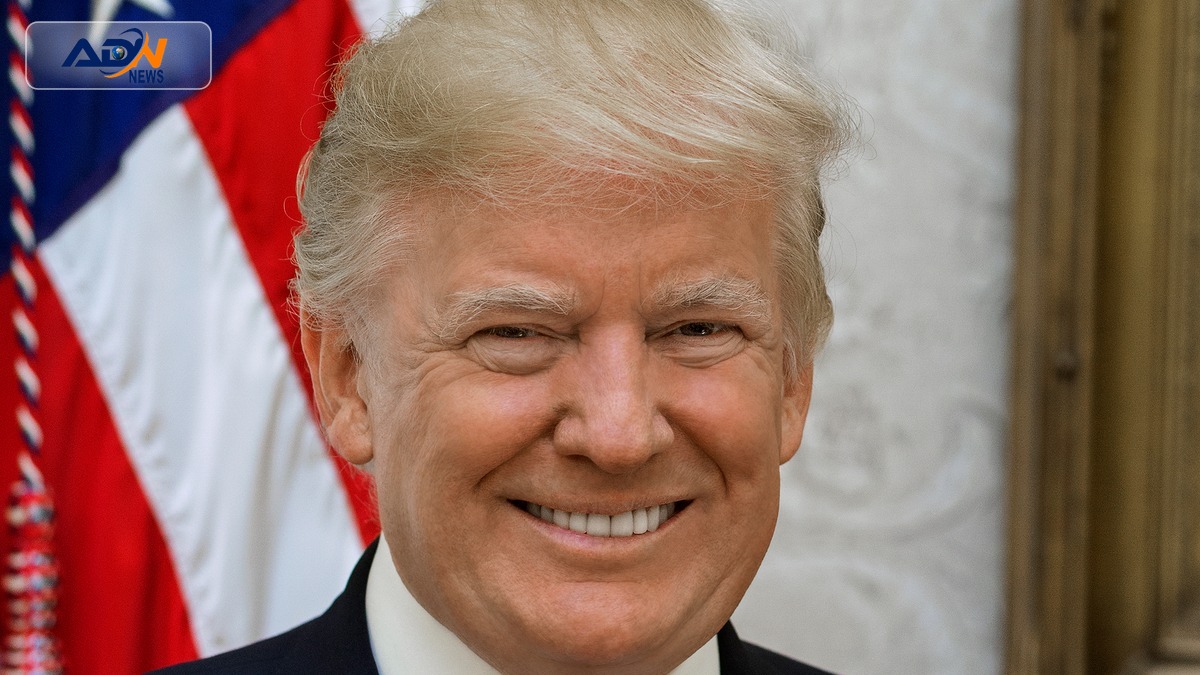
WASHINGTON: United States President-elect Donald Trump has announced plans to implement sweeping new tariffs on imported goods from China and the European Union, signaling a revival of his aggressive protectionist trade agenda. The proposed fiscal measures are designed to safeguard domestic manufacturing industries, reduce trade deficits, and pressure foreign economic competitors into renegotiating existing bilateral trade agreements.
During a policy briefing, economic advisors outlined that the administration intends to utilize executive authorities to impose targeted levies across key industrial sectors, including technology, automotive manufacturing, and consumer goods. Market analysts note that these potential duties could trigger retaliatory trade policies from major international partners, significantly escalating global supply chain pressures and altering international commerce dynamics.
The broader implications of these planned economic policies extend far beyond American borders, casting uncertainty over multinational corporations and emerging markets alike. Economists warn that persistent trade friction between the world’s largest economies could introduce inflationary pressures, impact consumer pricing structures worldwide, and prompt structural shifts in global manufacturing hubs as companies seek to diversify operations.
As international stakeholders brace for the formal implementation of the trade directives, diplomatic missions in Washington are currently preparing contingency strategies. Observers anticipate intense legislative discussions and bilateral negotiations in the coming weeks as foreign governments attempt to mitigate the economic fallout before the official tariff schedules take effect.