
Cabinet Approves Sugar Sector Deregulation to Meet IMF Structural Benchmark
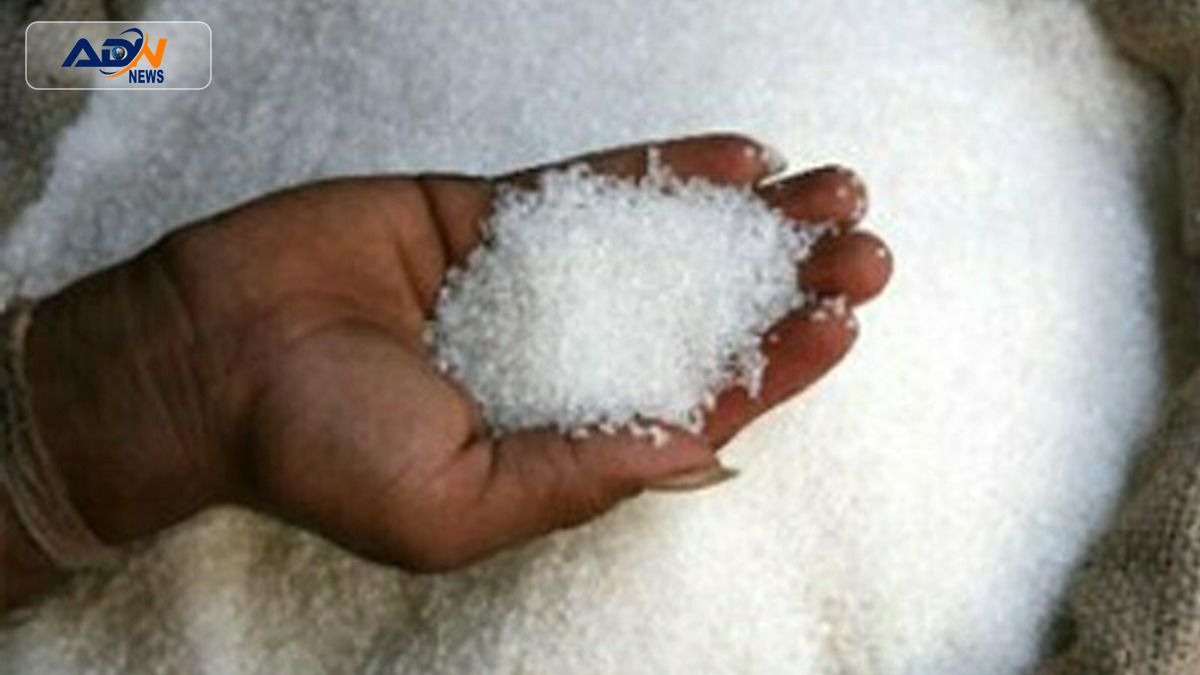
ISLAMABAD: In a decisive move to fulfill a long-postponed structural benchmark, the federal cabinet has formally approved the deregulation of the sugar sector, bringing an end to export subsidies and lifting restrictions on the free movement of the commodity across provinces. The sweeping policy shift was greenlit through circulation by the cabinet, addressing longstanding structural demands from international lenders and aligning domestic agricultural frameworks more closely with free-market principles.
The policy endorsement follows closely on the heels of government approvals allowing the export of over 400,000 tonnes of sugar last Friday, building upon an earlier shipment of 200,000 tonnes dispatched earlier in the year. The International Monetary Fund (IMF) has consistently pressed for the complete withdrawal of state intervention in the sugar industry, which historically encompassed everything from the setting of sugarcane support prices to production quotas and stringent import-export controls.
For Pakistan’s domestic economy, the deregulation is expected to reshape market dynamics by dismantling bureaucratic hurdles and allowing supply and demand forces to dictate pricing and distribution. While proponents argue that opening up the sector will enhance competitiveness and streamline agricultural trade, economists note that close monitoring will be required to safeguard consumer interests against potential price volatility during the transition phase.
The timing of the cabinet’s approval is critical for Islamabad, as Pakistan had remained in breach of this specific IMF structural benchmark since June 2026. Securing this policy clearance was deemed mandatory by international financial authorities to pave the way for the scheduling of the upcoming IMF executive board meeting, which is now officially set to convene on December 11.