
EPA Confirms Safe Drinking Water Levels After Iowa Industrial Blast
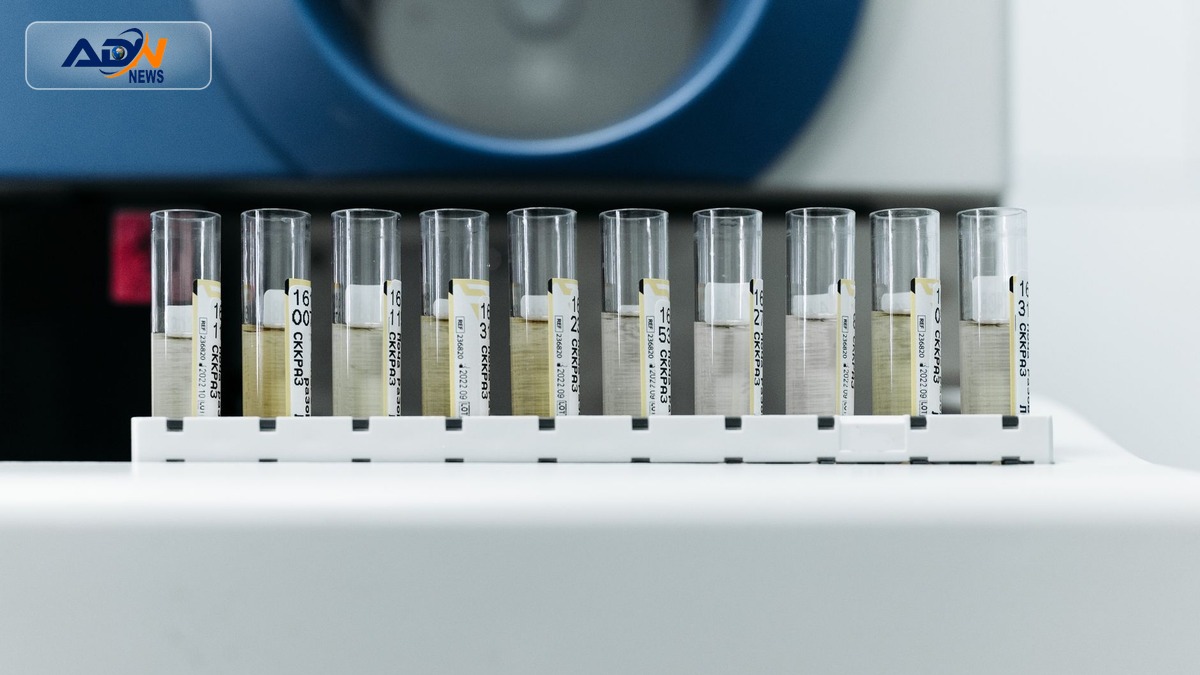
WASHINGTON: The U.S. Environmental Protection Agency (EPA) has officially confirmed that drinking water supplies in Iowa remain free of elevated lead levels following a major industrial explosion that previously sparked widespread public concern. Federal environmental regulators released comprehensive test results on Tuesday, assuring local residents that municipal water sources met all federal safety standards in the aftermath of the disaster.
The industrial facility had faced intense scrutiny and multiple legal challenges prior to the incident, with local communities and environmental advocacy groups successfully halting operations several times over fears of catastrophic health and ecological dangers. Following the blast, emergency response teams deployed rapid-testing kits and continuous monitoring units across the affected zones to assess potential contamination risks to local watersheds and residential water infrastructure.
Public health experts noted that while the absence of elevated lead is a significant relief for local households, the incident has reignited nationwide debates regarding the proximity of hazardous industrial sites to residential water supplies. Communities across the region have increasingly demanded stricter regulatory oversight and more transparent communication channels between industrial operators and municipal authorities during emergency situations.
Federal regulators and state environmental agencies announced that ongoing monitoring protocols will remain in place for the foreseeable future to ensure long-term water security. Additional public hearings and technical safety reviews are scheduled for the coming weeks as investigators continue to determine the exact structural causes of the initial explosion.