
President Zardari, PM Shehbaz to Meet Today for Key Political Decisions
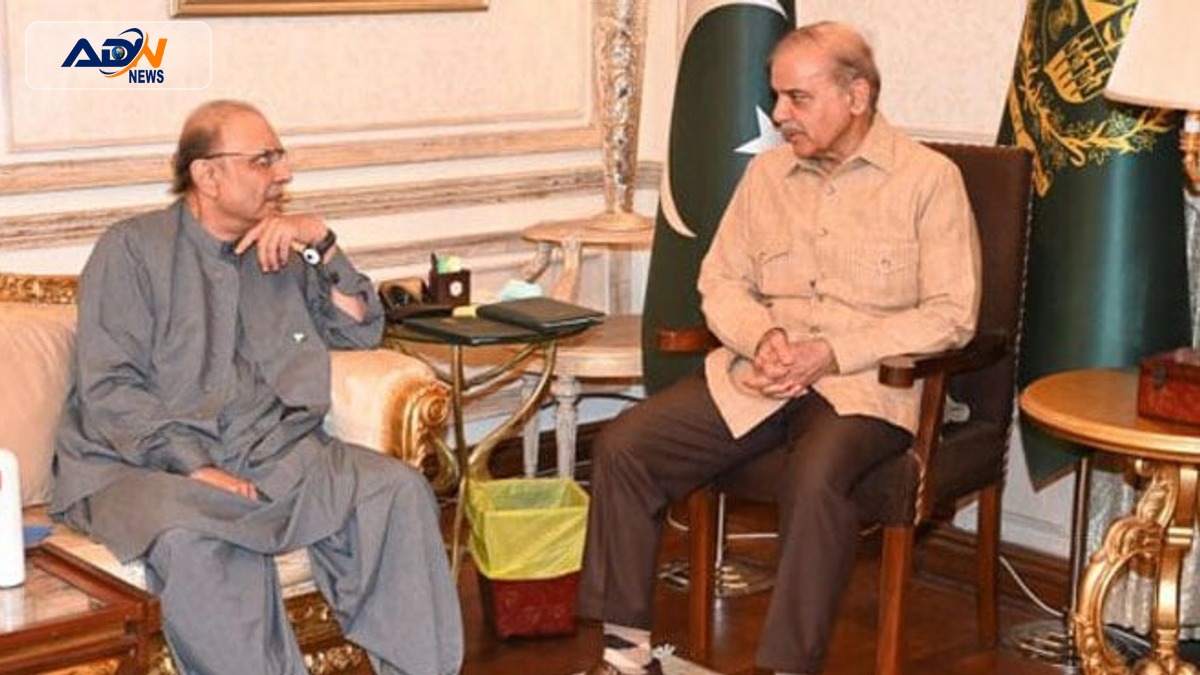
ISLAMABAD: President Asif Ali Zardari and Prime Minister Shehbaz Sharif are scheduled to hold a crucial high-level consultative meeting at the Aiwan-e-Sadr today to deliberate on the country’s prevailing political and economic landscape. The meeting comes at a critical juncture as the ruling coalition navigates complex legislative challenges, judicial reforms, and ongoing efforts to stabilize the national economy.
According to official sources, the two top leaders will discuss key state matters, including parliamentary affairs, federal administrative decisions, and provincial coordination. The huddle is expected to review the progress of ongoing economic reforms, inflation control measures, and the implementation of the government’s policy agenda. Insiders suggest that crucial decisions regarding key administrative appointments, judicial appointments, and legislative strategies for the upcoming parliamentary sessions are on the cards.
This high-profile interaction is seen as vital for maintaining political cohesion within the ruling coalition, which comprises diverse political entities. Political analysts believe that consensus between the head of state and the head of government is essential for policy continuity, especially as Pakistan engages with international financial institutions like the IMF and seeks to boost foreign investment. Any decisions made during this meeting will likely influence the country’s political stability, governance direction, and economic outlook in the coming months.
Following the one-on-one meeting, a joint statement or briefing is expected to outline the key consensus points. Additionally, the outcomes of this consultation will be shared with other coalition partners, including the Pakistan Peoples Party (PPP) and the Pakistan Muslim League-Nawaz (PML-N) leadership, to ensure a unified execution of the decided strategies. This meeting is anticipated to pave the way for smoother legislative processes in the National Assembly.