
‘Ghost Particles’ Discovery Earns Nobel Prize for Belgian Physicist Halzen
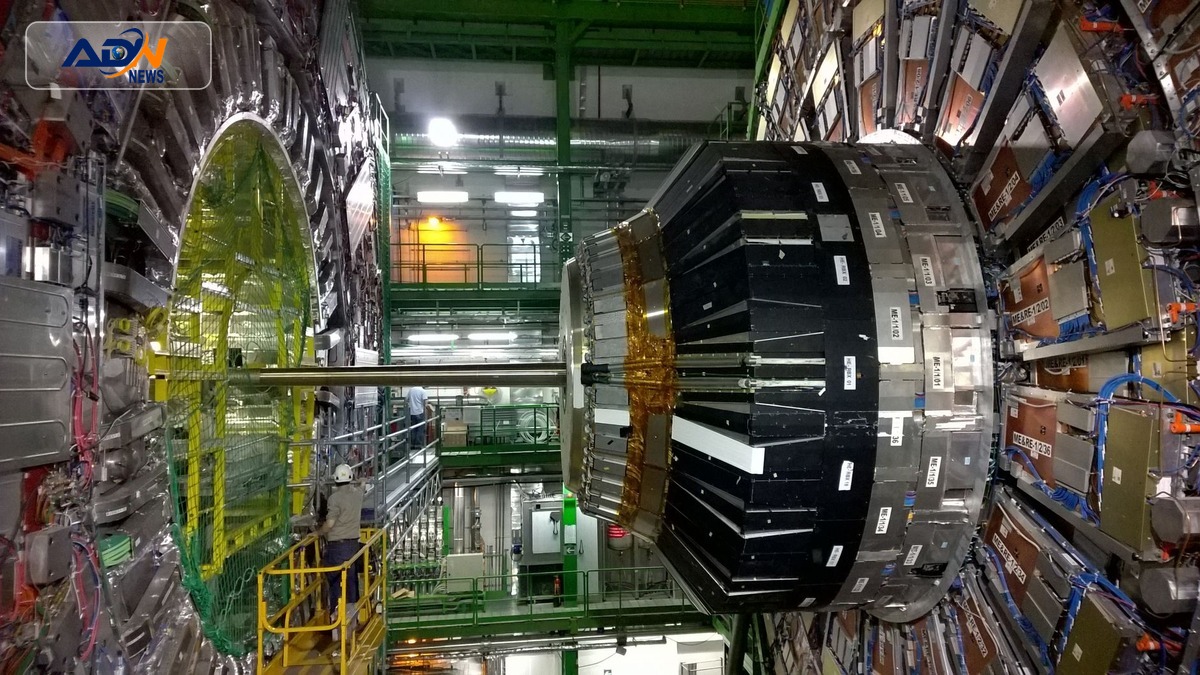
BRUSSELS: Belgian physicist Prof. Francis Halzen has been awarded the Nobel Prize in Physics for his groundbreaking work on the IceCube Neutrino Observatory, which detects elusive particles known as neutrinos from outer space. This prestigious recognition highlights the significance of Halzen’s contributions to understanding cosmic phenomena.
Halzen’s research has opened new avenues in particle physics, providing insights into the fundamental workings of the universe. In a statement, he expressed gratitude for the honor, emphasizing the collaborative effort behind the IceCube project, which involves scientists from around the world. The observatory, located at the South Pole, has been instrumental in detecting high-energy neutrinos that originate from distant astrophysical sources.
The implications of this discovery extend beyond academia, as it enhances our understanding of cosmic events and their potential impact on Earth. By studying these ‘ghost particles,’ scientists can gain insights into phenomena such as supernovae and black holes, which could inform future environmental and technological advancements.
Looking ahead, the scientific community anticipates further developments in neutrino research, with upcoming conferences and collaborative projects aimed at expanding our knowledge of the universe. Halzen’s Nobel Prize win is expected to inspire a new generation of physicists to explore the mysteries of space.