
Endangered Dolphins Thrive in Bangladesh River Despite Severe Pollution
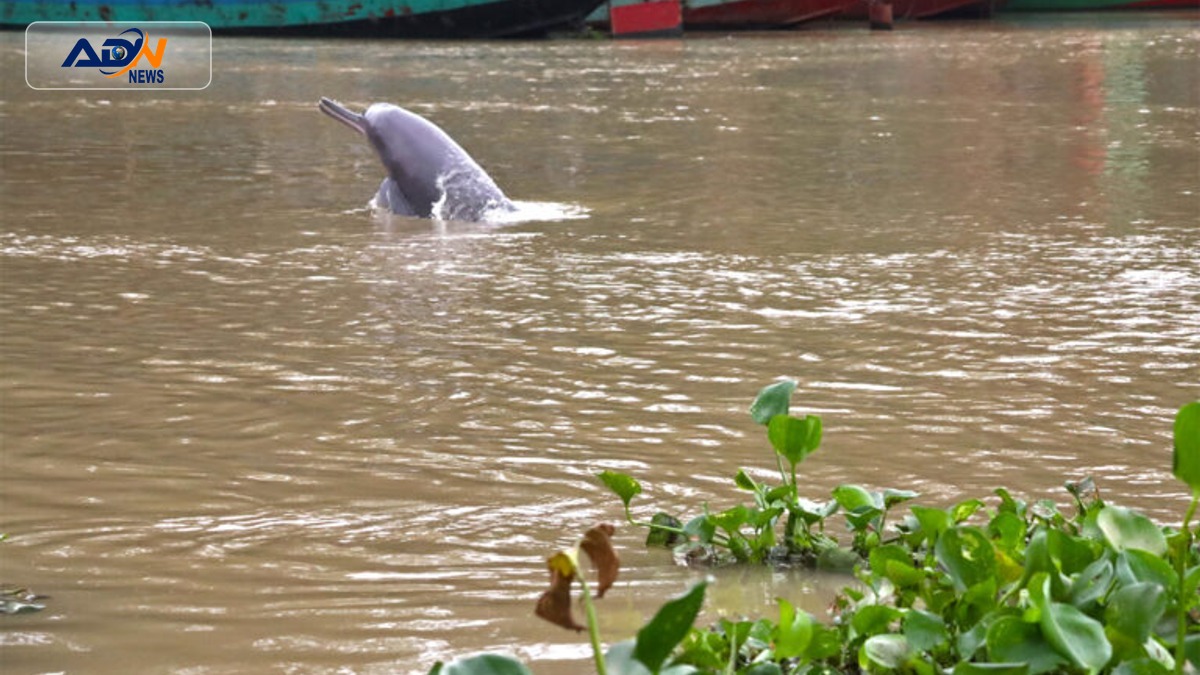
DHAKA: Endangered dolphins continue to survive in the polluted waters of the Buriganga River in Bangladesh, a waterway deemed ‘not livable’ for fish due to severe contamination. This alarming situation highlights the resilience of these marine mammals amidst environmental degradation.
Experts report that the Buriganga, which flows through the capital city, has been heavily polluted by industrial waste and sewage, leading to a drastic decline in fish populations. Despite these conditions, the Irrawaddy dolphins, a species listed as endangered, have adapted to the toxic environment, raising concerns about their long-term survival and the health of the river ecosystem.
The presence of these dolphins serves as a stark reminder of the urgent need for environmental action. Local conservationists emphasize that protecting these creatures is crucial not only for biodiversity but also for the communities that rely on the river for their livelihoods. The situation poses significant implications for public health and the economy, as pollution threatens both aquatic life and the fishing industry.
In response to this crisis, environmental groups are calling for immediate government intervention to address pollution sources and implement stricter regulations. Upcoming meetings with local authorities and stakeholders are expected to focus on sustainable practices and restoration efforts for the Buriganga River.