
Only Three Candidates Pass KP Civil Judges Exam Out of 1,024 Applicants
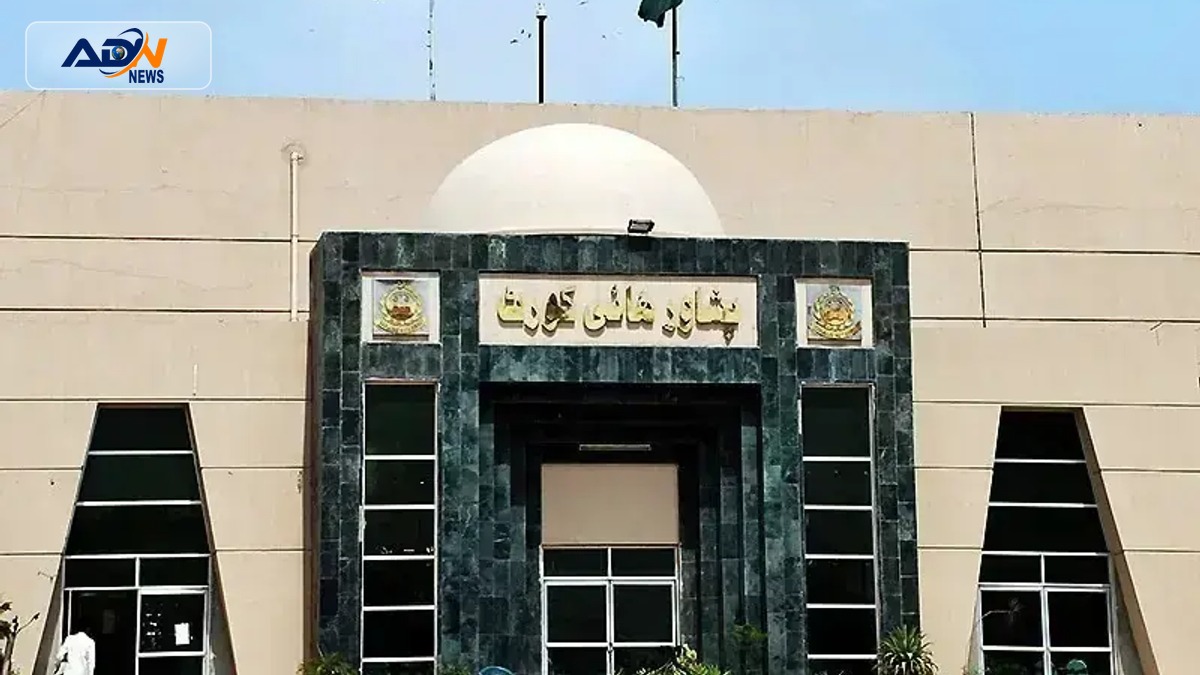
PESHAWAR: In a shocking revelation of academic performance, only three out of 1,024 candidates have successfully cleared the written examination conducted by the Khyber Pakhtunkhwa Public Service Commission (KPPSC) for the posts of civil judge-cum-judicial magistrate and Alaqa Qazi. The results, announced on Wednesday, highlight a dismal pass rate for the highly competitive BPS-18 judicial positions, leaving 102 seats vacant out of the 105 advertised.
According to the official announcement by the KPPSC, the Peshawar High Court had advertised these vacancies in April, drawing a total of 3,097 applications. While all applicants were provisionally admitted, only 1,024 candidates actually appeared for the rigorous written tests. The successful trio who qualified the written phase includes Saba Rasool from South Waziristan, Abdullah Noor from Bajaur, and Sayed Zahid Hussain from Mardan. A major stumbling block for most candidates was the English General and English Essay paper, where 875 candidates—representing 85 percent of the total examinees—failed to secure passing marks.
This alarming result has sparked intense debate among legal experts and academics regarding the declining standards of higher education and legal training in the province. Observers note that the massive failure rate in basic English comprehension and essay writing points to systemic gaps in the provincial educational curriculum. Furthermore, the failure to fill these 105 critical judicial vacancies is expected to exacerbate the existing backlog of cases in Khyber Pakhtunkhwa’s lower courts, delaying justice for thousands of litigants.
Moving forward, the three successful candidates will be scheduled for psychological assessments and viva-voce interviews before final recommendations are made to the Peshawar High Court. Meanwhile, judicial reform advocates are calling on the provincial government and the high court administration to review the recruitment criteria and collaborate with law universities to improve the quality of legal education across the region.