
Keenjhar Lake Water Safe For Consumption, Confirms Sindh Irrigation Dept
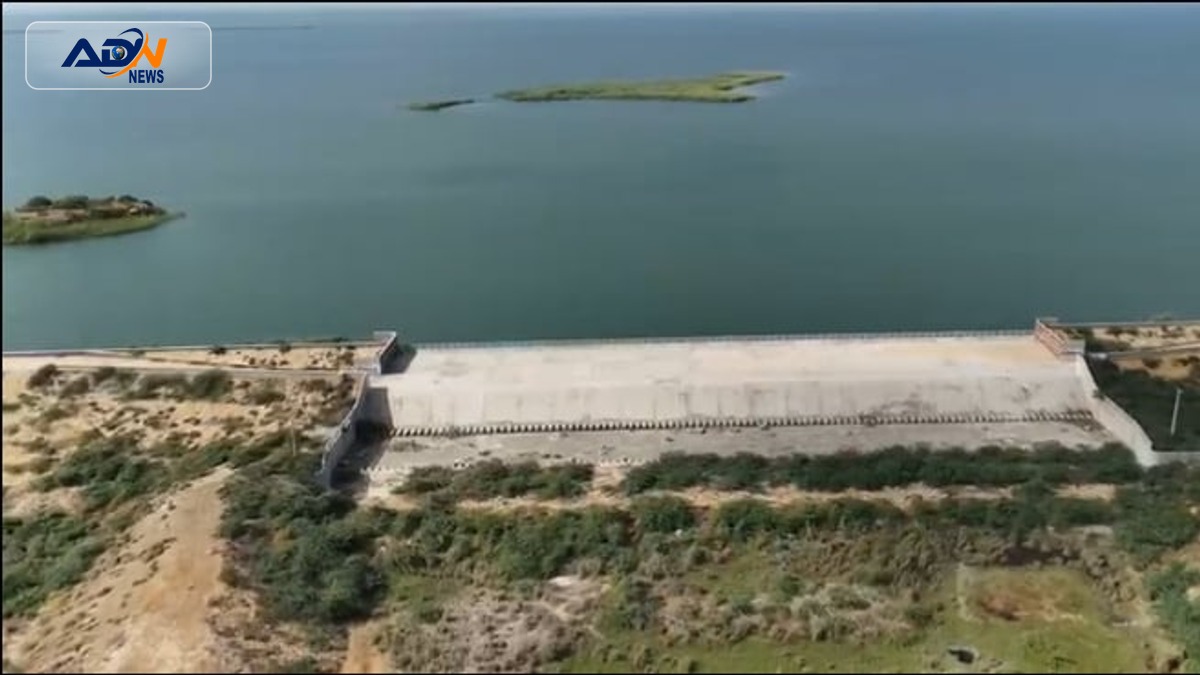
KARACHI: The Sindh Irrigation Department has officially released laboratory test reports assessing the Keenjhar Lake water quality, categorically refuting widespread reports and social media speculation claiming severe contamination in the freshwater reservoir. Provincial authorities confirmed that comprehensive chemical and biological evaluations verified the water remains completely safe for municipal supply and aquatic life, dispelling alarming rumors that caused widespread public concern across lower Sindh and Karachi.
According to Muzammil Memon, spokesperson for the Sindh Irrigation Department, rigorous laboratory testing was conducted following unverified rumors circulating on digital platforms alleging hazardous chemical waste and dangerous pollutants in the lake. Memon stated that certified water testing facilities analyzed multiple samples collected from different extraction points, concluding that all critical safety parameters, including pH levels, dissolved oxygen, and toxic residue, fall well within permissible national drinking water quality standards.
The clarification delivers crucial relief to millions of citizens across Sindh, as Keenjhar Lake, situated in Thatta district, serves as the primary freshwater lifeline for Karachi’s municipal water supply network through the Kalri-Baghar feeder canal. Environmental experts and civic authorities emphasized that unfounded contamination scares risk creating unnecessary panic among metropolitan consumers and local fishing communities who depend entirely on the lake’s ecological integrity for their daily livelihoods.
Provincial authorities reiterated that environmental monitoring teams alongside the Sindh Environmental Protection Agency (SEPA) and local irrigation officers will maintain continuous surveillance over water sources leading into the basin. The department further urged the public and digital platforms to refrain from circulating unverified claims, warning that legal action could be initiated against elements spreading misinformation regarding critical public utilities and essential water infrastructure.