
Invasive ‘Skunk’ Plant Removed from River to Protect Local Ecosystem
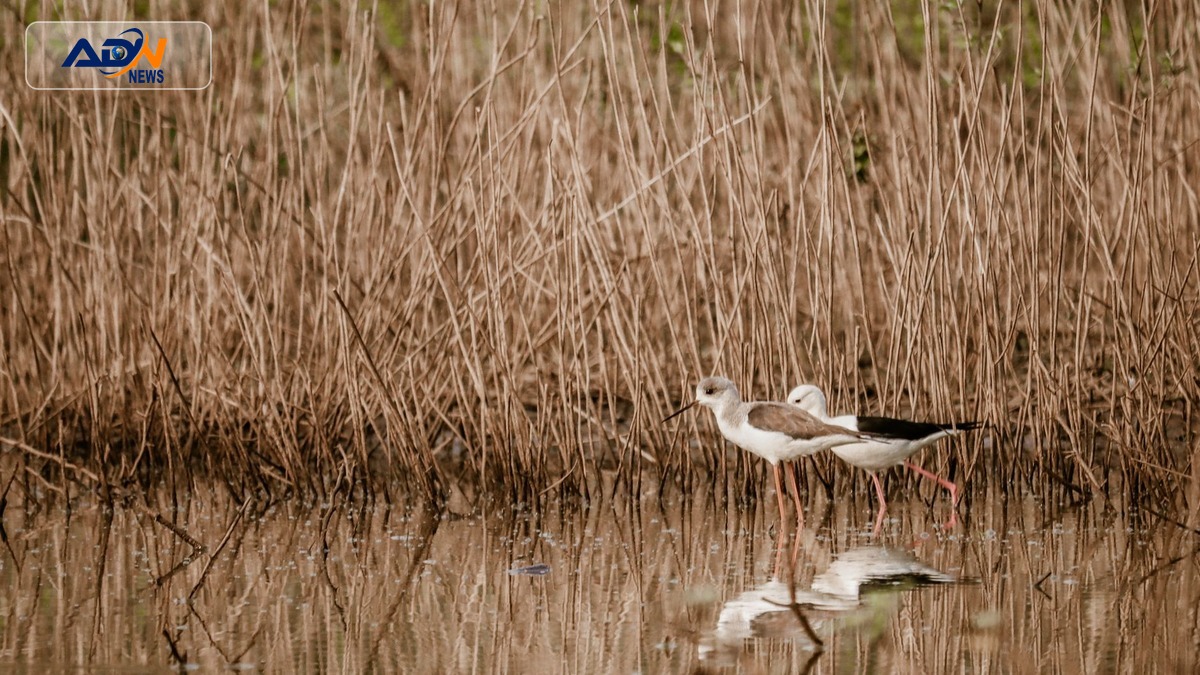
WASHINGTON: Authorities have successfully cleared an invasive plant known as the ‘skunk’ plant from a local river, a species notorious for its foul odor reminiscent of rotting meat. This removal is part of ongoing efforts to protect the delicate ecosystems of wetlands in the Pacific Northwest.
The skunk plant, native to swamps and wetlands, poses a significant threat to local biodiversity by outcompeting native flora. Environmental officials emphasized the importance of this action, stating, “Removing invasive species is crucial for maintaining the health of our ecosystems and supporting native wildlife. We must act decisively to preserve our natural heritage.”
This initiative highlights the broader implications of invasive species management, as their presence can disrupt local economies reliant on tourism and fishing. The removal of the skunk plant is expected to enhance the ecological balance, benefiting both the environment and local communities.
Looking ahead, environmental agencies plan to monitor the area closely to prevent the re-establishment of the skunk plant and will engage in public education campaigns to raise awareness about the impacts of invasive species. Further assessments are scheduled for next month to evaluate the success of the removal efforts.