
Understanding the New Age of War Amid Global Conflicts and Technology
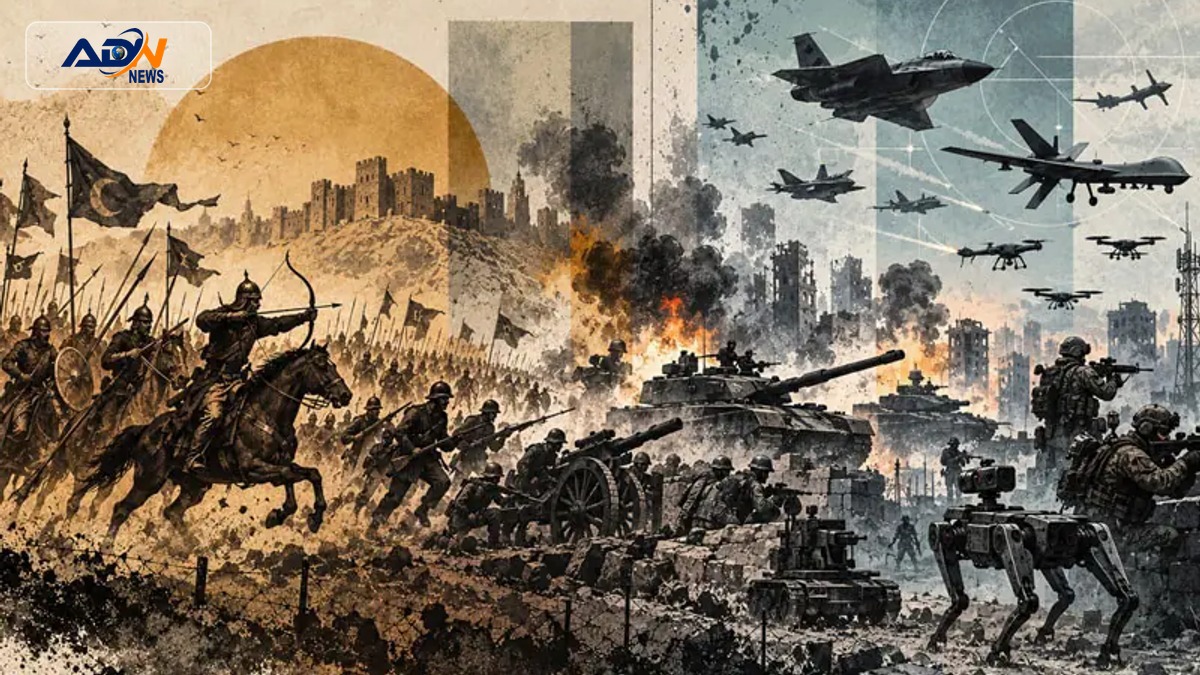
LONDON: As wars continue to rage across Eastern Europe, the Middle East, and West Asia, understanding the complexities of modern warfare has never been more crucial. The ongoing conflicts, driven by a mix of geopolitical tensions and technological advancements, raise pressing questions about the future of global security and the nature of warfare itself.
William Butler Yeats’ haunting lines from his 1920 poem resonate today, echoing the chaos of World War I and the flu pandemic. The current landscape of warfare, exemplified by the Ukraine conflict, showcases an unprecedented pace of technological innovation that complicates traditional military strategies. As nations grapple with the implications of digital warfare, the interconnectedness of our world means that the repercussions of these conflicts extend far beyond their immediate borders.
The implications for citizens and governments are profound. As warfare evolves, so too does the need for robust international cooperation and dialogue to mitigate the risks associated with emerging technologies. The potential for widespread destruction increases as states find it increasingly difficult to isolate technological advancements from adversaries, raising concerns about global stability and security.
Looking ahead, it is imperative for policymakers and military strategists to engage in comprehensive discussions about the future of warfare. Upcoming international forums and security summits will likely address these challenges, focusing on how to navigate the complexities of modern conflicts while ensuring the safety and security of nations worldwide.