
Greece’s Lake Koroneia Dries Up, Highlighting Urgent Climate Crisis
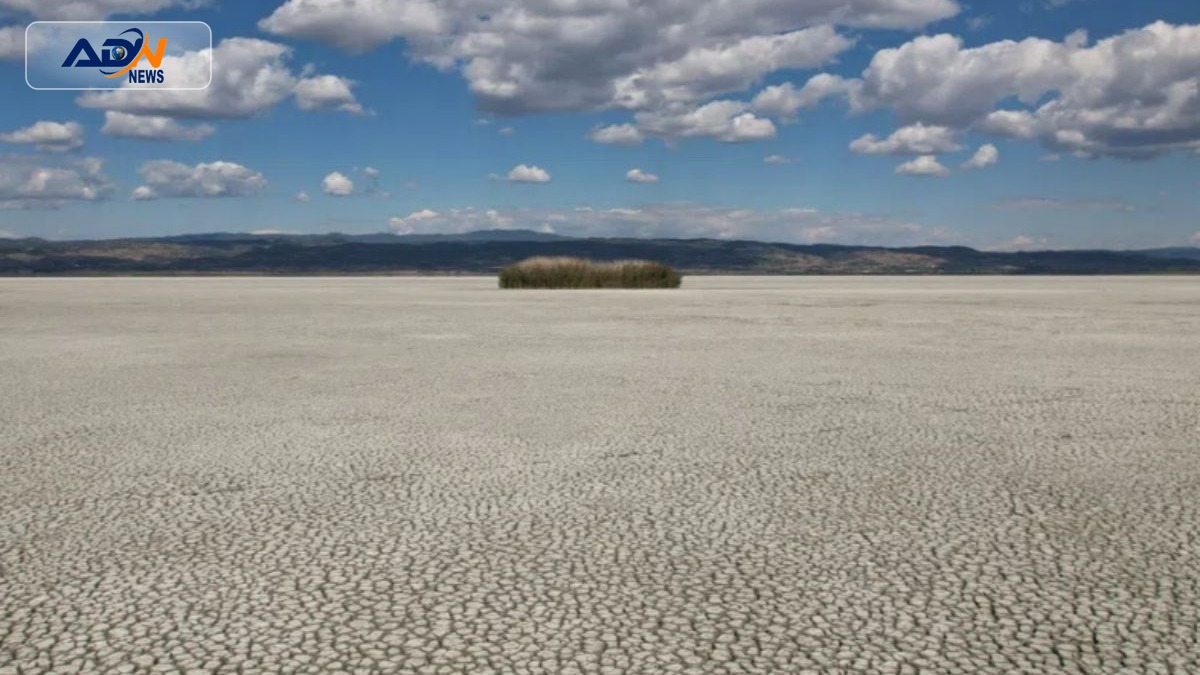
ATHENS: Greece’s Lake Koroneia, once a vital water source, is rapidly vanishing, revealing the alarming effects of climate change on the region. Recent reports indicate that the lake’s surface area has diminished significantly over the past few decades, raising concerns about the ecological and economic ramifications for local communities.
Experts attribute the lake’s decline to a combination of prolonged drought, increased temperatures, and unsustainable water management practices. Local environmental groups have voiced their concerns, stating that the lake’s disappearance threatens biodiversity and the livelihoods of those who depend on its resources. “This is not just an environmental issue; it’s a wake-up call for all of us to address climate change seriously,” said Maria Papadopoulos, a leading environmental scientist.
The implications of Lake Koroneia’s drying are profound, affecting agriculture, tourism, and local economies. As water levels drop, farmers face challenges in irrigation, leading to reduced crop yields. Additionally, the lake’s diminishing size impacts tourism, which has historically drawn visitors to the region for its natural beauty and wildlife.
In response to this crisis, local authorities are expected to convene a series of meetings to discuss sustainable water management strategies and potential restoration efforts. Environmentalists are urging immediate action to mitigate further damage and promote conservation initiatives to protect remaining water resources.