
Invasive Lionfish Threaten Brazil’s Coral Reefs as Local Fishers Respond
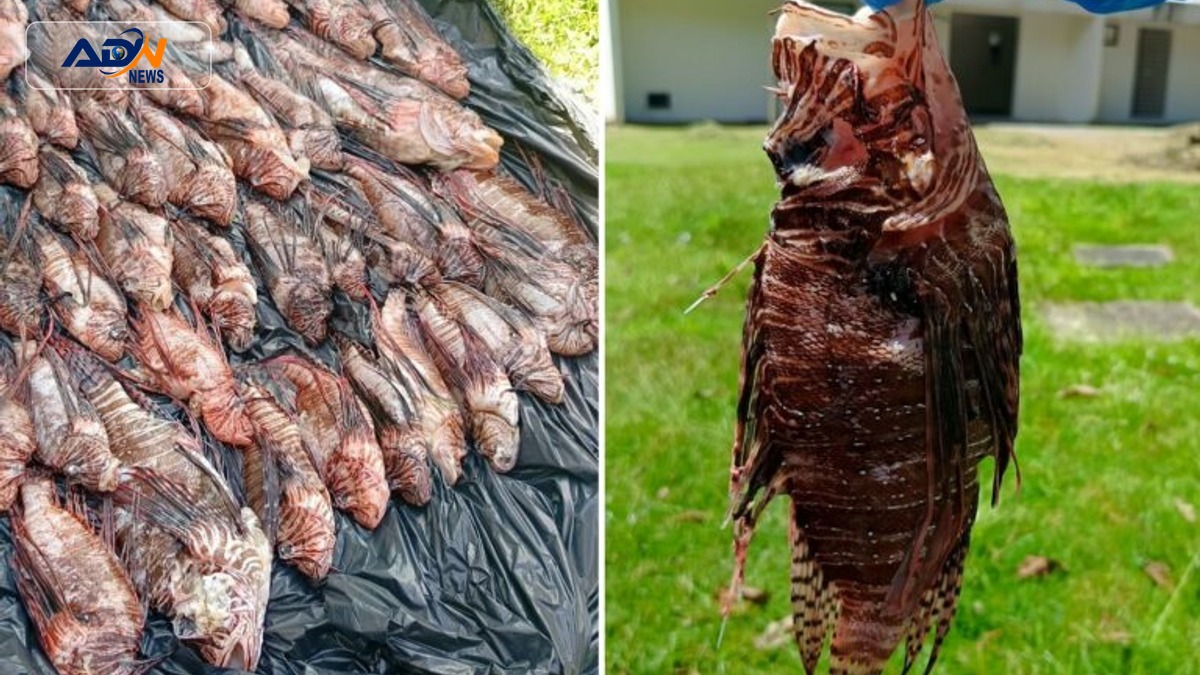
RIO DE JANEIRO: Invasive lionfish have reached Brazil’s largest coral reefs, posing a significant threat to local marine ecosystems and fishing communities. This alarming development has prompted local fishers to take action against the invasive species, which are known for their rapid reproduction and aggressive predation.
Local fishermen report a noticeable decline in native fish populations, which are crucial for both the ecosystem and their livelihoods. “We are witnessing a drastic change in our waters. If we do not act now, we risk losing our fish stocks and our way of life,” said Carlos Mendes, a veteran fisherman from the region. Environmentalists warn that the lionfish’s presence could disrupt the delicate balance of marine life, leading to long-term ecological consequences.
The arrival of lionfish in Brazil highlights broader issues of biodiversity loss and the impact of invasive species on local economies. As these fish continue to spread, they threaten not only the coral reefs but also the fishing industry that supports thousands of families. The situation calls for urgent measures to protect native species and restore ecological balance.
In response to this crisis, local authorities are organizing community meetings to discuss strategies for managing the lionfish population. Initiatives may include increased awareness campaigns, fishing regulations, and potential partnerships with environmental organizations to develop sustainable practices. The next few months will be critical in determining the future of Brazil’s coral reefs and the communities that depend on them.