
Neanderthal Bones from Iraq Reveal Evidence of Violence and Compassion
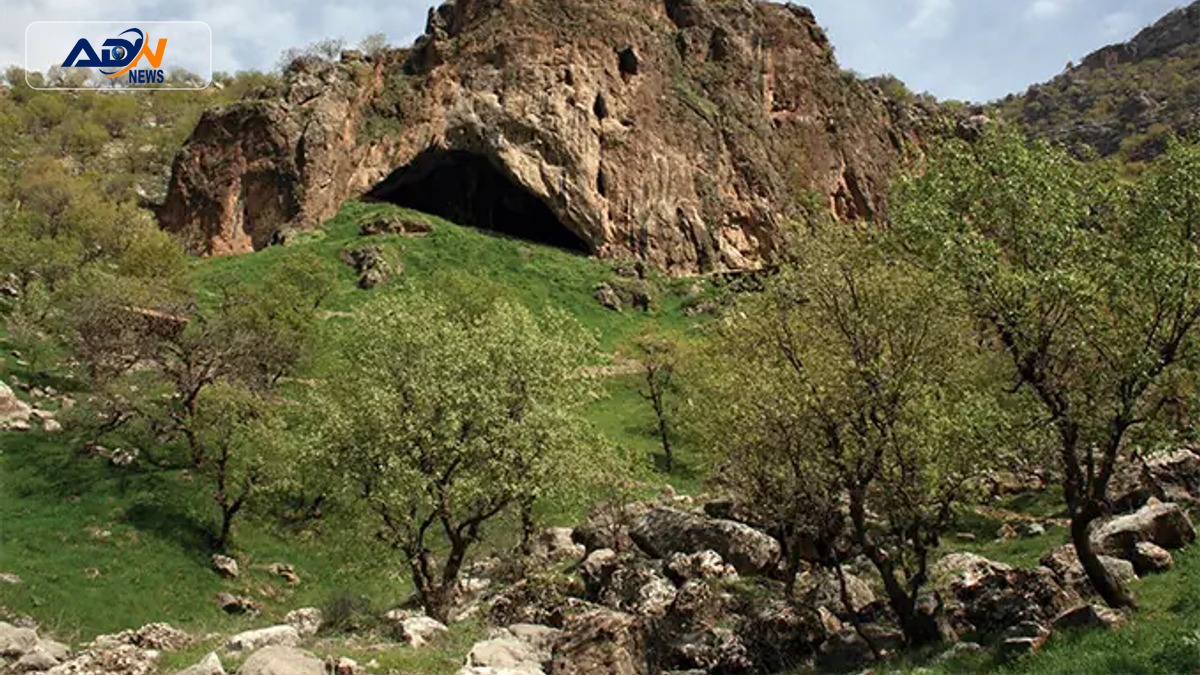
ERBIL: Recent discoveries from Shanidar Cave in Iraq’s Kurdistan region provide compelling evidence of both violence and compassion among Neanderthals, our closest evolutionary relatives. Researchers unearthed a partial skeleton, dubbed Shanidar A, dating back approximately 75,000 years, which reveals a fatal spear wound alongside signs of earlier nonfatal injuries that suggest care from others.
The skeleton, found beneath 25 feet of sediment, includes a left shoulder blade with a circular hole indicative of a deep stab wound, likely inflicted by a sharpened wooden spear. This type of weapon was commonly used by Neanderthals for hunting large mammals, essential for their survival. The researchers were unable to determine the sex of Shanidar A, who is estimated to have been in their mid-40s at the time of death.
This discovery not only sheds light on the violent aspects of Neanderthal life but also highlights their capacity for compassion, as the earlier injuries may have required care from fellow Neanderthals. Such findings challenge long-held perceptions of Neanderthals as solely brutish and primitive, suggesting a more complex social structure.
As research continues, scientists aim to further explore the implications of these findings on our understanding of Neanderthal behavior and social dynamics. Future excavations and analyses may reveal more about their interactions and the environment they inhabited.