
US States Face Backlash as Wolf Populations Are Culling Amid Conservation Efforts
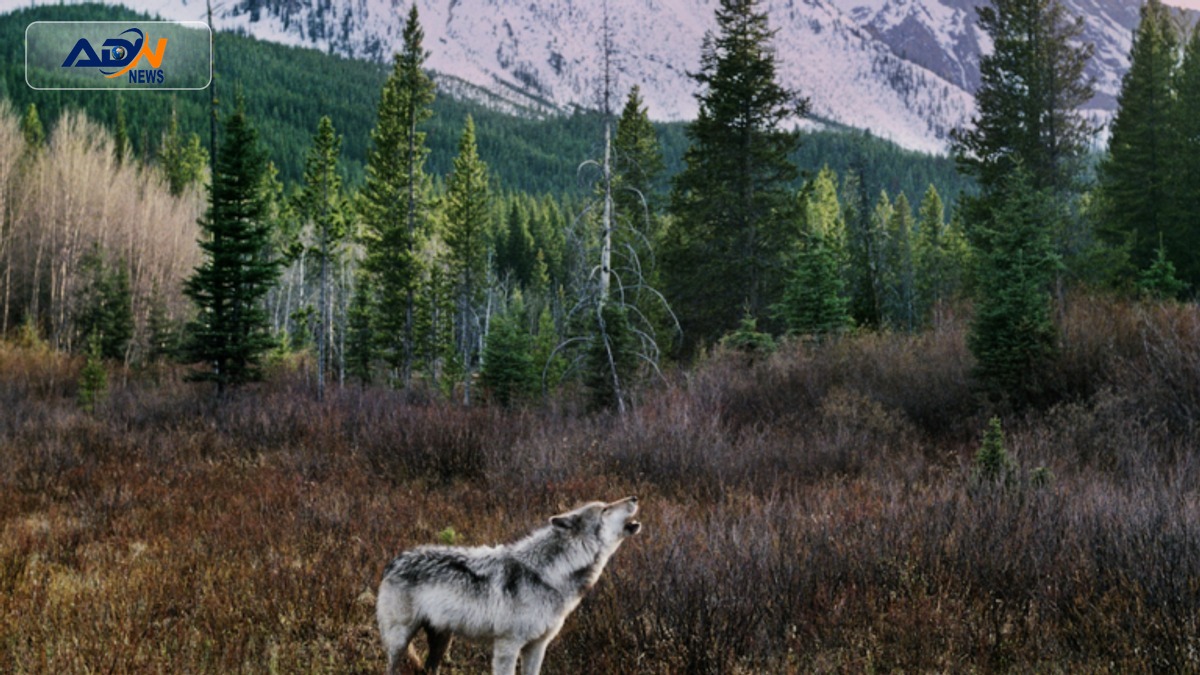
WASHINGTON: Recent actions by several US states to cull wolf populations, which were only recently restored, have sparked significant controversy among conservationists and wildlife advocates. This decision raises critical questions about the balance between wildlife management and ecological preservation.
States like Montana and Idaho have enacted measures to reduce wolf numbers, citing concerns over livestock predation and ecological balance. Critics argue that these culls undermine decades of conservation efforts aimed at restoring wolf populations, which play a vital role in maintaining healthy ecosystems. According to the Center for Biological Diversity, the removal of wolves can lead to overpopulation of deer and elk, resulting in further ecological imbalance.
The implications of these culling practices extend beyond wildlife. They reflect a growing tension between agricultural interests and environmental conservation, impacting local economies and community relations. As wolves are apex predators, their removal can disrupt food chains, leading to unforeseen consequences for biodiversity and ecosystem health.
Looking ahead, conservation groups are mobilizing to challenge these culling policies through legal avenues and public awareness campaigns. Upcoming state hearings and public forums will provide platforms for stakeholders to voice their concerns and advocate for more sustainable wildlife management practices.