
Finance Minister Warns Gulf Energy Attacks Could Impact Pakistan’s Economy
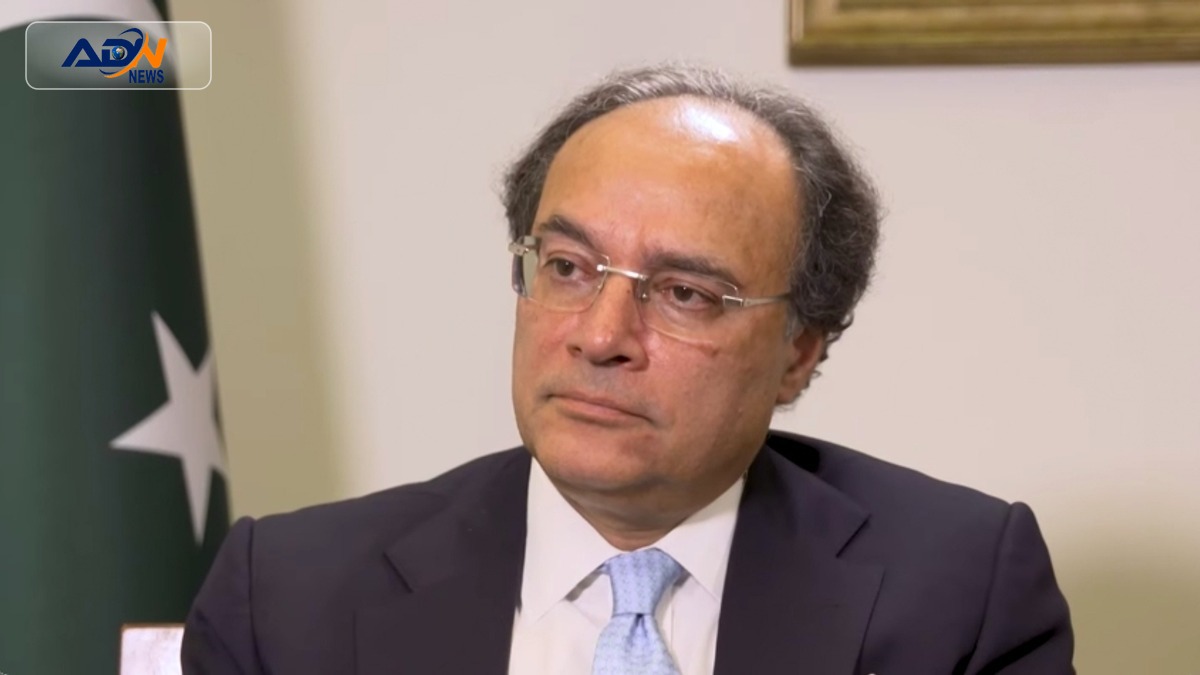
BANGKOK: Finance Minister Muhammad Aurangzeb expressed concerns on Saturday regarding the potential economic repercussions of recent attacks on energy infrastructure in Gulf countries, stating that while Pakistan has managed to navigate the surge in energy prices, the ongoing instability poses a worrying threat to the nation’s long-term economic outlook.
In an interview with AFP during the International Monetary Fund (IMF)-World Bank Annual Meetings, Aurangzeb noted that Pakistan has secured sufficient energy supplies to meet demands through November. He emphasized that the country is now preparing for the winter months, a period typically marked by increased household energy consumption.
“The first-order impact has been negotiated well by Pakistan,” Aurangzeb stated, highlighting the absence of fuel shortages or civil unrest that have plagued other nations facing similar crises. He reassured that the government would refrain from purchasing spot cargoes of liquefied natural gas (LNG) unless absolutely necessary, indicating a cautious approach to energy procurement.
As the situation evolves, the government is closely monitoring developments in the Gulf region, with potential implications for energy security and economic stability in Pakistan. Future discussions at the IMF and World Bank meetings may further address these challenges and outline strategies for resilience.