
LPG Stakeholders Demand Daily Pricing Amid Rising Costs and Border Issues
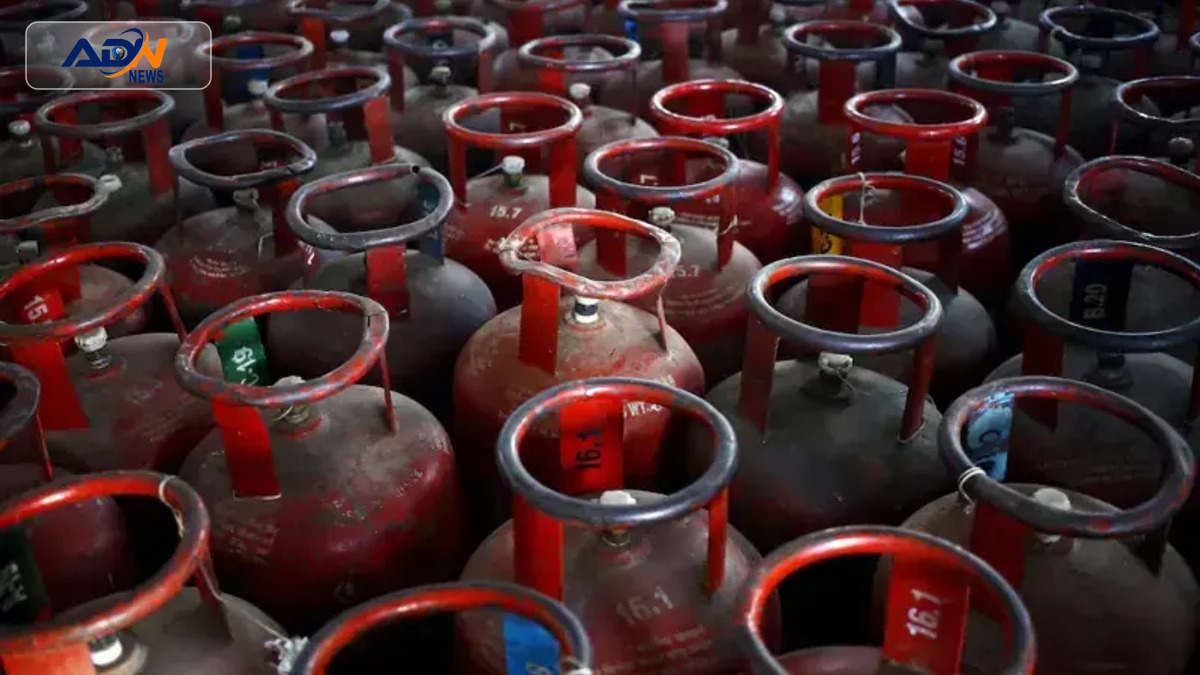
ISLAMABAD: As liquefied petroleum gas (LPG) prices continue to soar following the closure of the Rahimdad-250 border post, market stakeholders are urging the government to transition from monthly to weekly or daily pricing. This shift aims to align LPG pricing with that of other petroleum products and to delink it from Saudi Aramco’s Contract Price (CP).
The call for change comes as winter approaches, a season when LPG consumption typically increases, raising concerns about hoarding, black marketing, and artificial price hikes, especially in remote and hilly regions. Stakeholders argue that the current LPG policy, which has remained unchanged for over a decade, fails to reflect the realities of the market. While prices are benchmarked to Saudi CP, the majority of supplies are sourced from Iran, Oman, the UAE, and Iraq, including Iranian LPG allegedly routed through alternative sea channels.
Industry representatives contend that the advance monthly pricing set by the Oil and Gas Regulatory Authority (Ogra) discourages major state-owned enterprises from importing LPG, leaving the market susceptible to private importers and land-route suppliers amid weak regulatory enforcement. Despite repeated inquiries, Petroleum Minister Ali Pervaiz Malik and ministry spokesman Zafar Abbas have not responded to requests for comment.
Looking ahead, stakeholders are calling for immediate government action to address these pricing concerns before the winter season exacerbates the situation. The potential for increased demand and subsequent price manipulation could have significant implications for consumers and the overall economy.