
Supreme Court Rules Deceased’s Eye Condition Not Proof of Unwitnessed Death
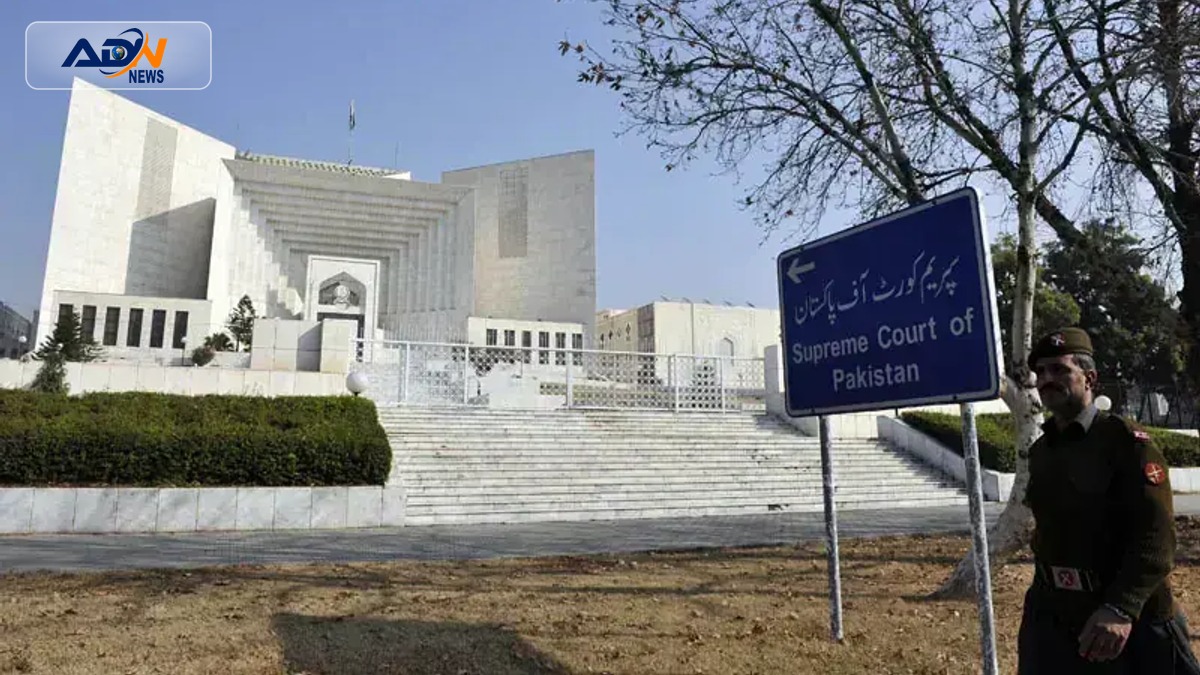
ISLAMABAD: The Supreme Court of Pakistan ruled on Tuesday that the condition of a deceased person’s eyes at the time of death cannot serve as definitive evidence that the incident was unwitnessed. This decision came as the court dismissed petitions challenging the double-murder convictions of two individuals, Azmat Ullah alias Motu and Muhammad Luqman alias Gona.
Justice Salahuddin Panhwar, part of a three-member bench led by Justice Muhammad Hashim Khan Kakar, clarified that the Qanun-i-Shahadat Order, 1984, does not impose a legal obligation to close a deceased person’s eyes. Instead, this practice is rooted in religious and cultural customs. The bench upheld the convictions under Section 302(b) of the Pakistan Penal Code, while commuting the death sentences to life imprisonment, a decision initially made by the Lahore High Court on May 18, 2022.
This ruling has significant implications for the legal landscape in Pakistan, particularly in criminal trials where defense lawyers often argue that a death was unwitnessed based on post-mortem reports. The court’s clarification on the customary nature of closing the eyes of the deceased may influence future cases and the interpretation of evidence in murder trials.
As the legal community digests this ruling, it remains to be seen how it will affect ongoing and future criminal cases. Legal experts may explore the ramifications of this decision in their arguments, potentially reshaping the standards of evidence in similar cases.