
International Gibbon Day Highlights Threats to Primate Survival Worldwide
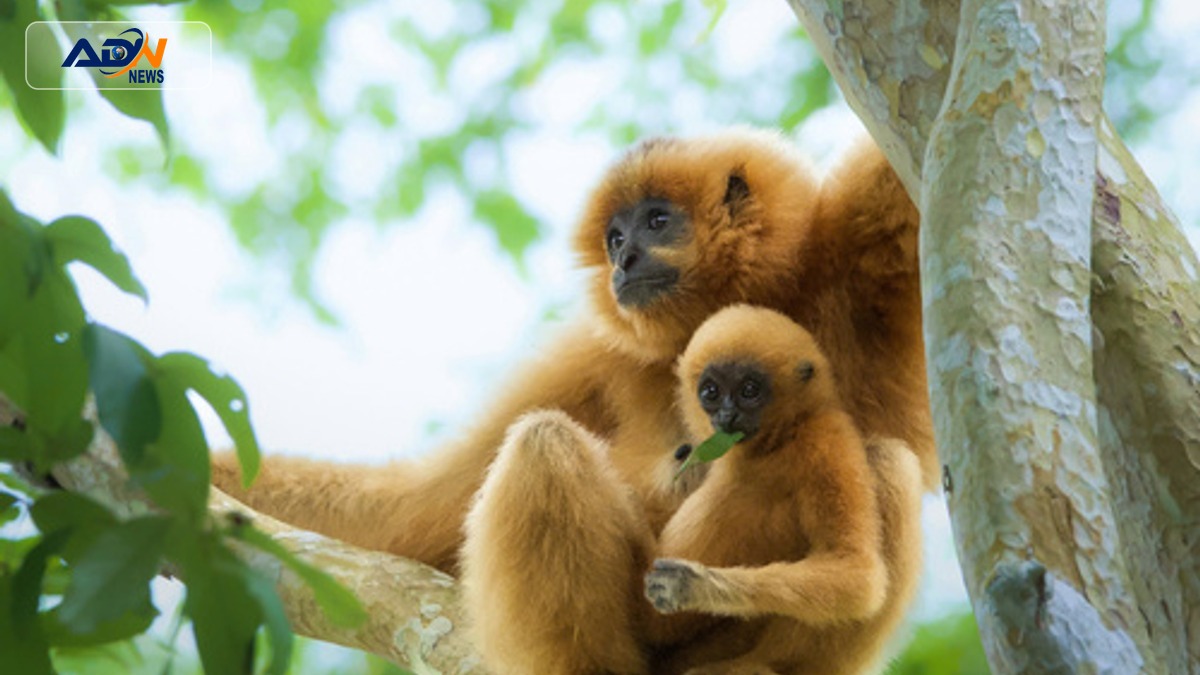
GLOBAL: International Gibbon Day is observed annually on July 24 to raise awareness about the threats facing gibbons, the lesser-known primates that inhabit the forests of Southeast Asia. This year, the day emphasizes the urgent need for conservation efforts as gibbon populations continue to decline due to habitat destruction and illegal wildlife trade.
Organizations dedicated to wildlife conservation report that gibbons are among the most endangered primates, with several species facing extinction. According to the International Union for Conservation of Nature (IUCN), habitat loss driven by logging, agriculture, and urban development has severely impacted gibbon populations. “We must act now to protect these remarkable creatures and their habitats,” said Dr. Jane Goodall, renowned primatologist and conservationist.
The implications of gibbon extinction extend beyond biodiversity loss; they also affect ecosystem health and local communities that rely on forests for their livelihoods. Gibbons play a crucial role in seed dispersal, which is vital for forest regeneration. Their decline signals a broader environmental crisis that could have dire consequences for both wildlife and human populations.
As International Gibbon Day approaches, conservationists are calling for increased global cooperation to protect gibbon habitats and enforce stricter laws against poaching. Upcoming international meetings will focus on collaborative strategies to enhance conservation efforts and raise public awareness about the plight of gibbons.