
Bangladesh Urges India for New Ganges Water Treaty as Deadline Approaches
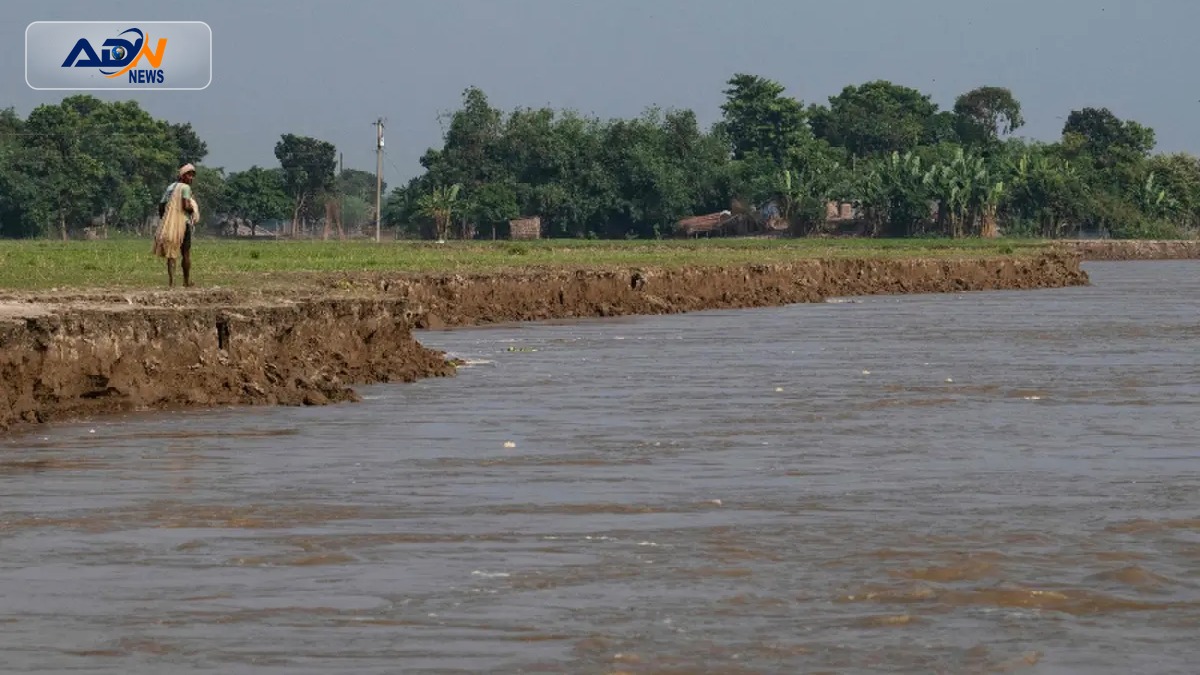
DHAKA: As the 30-year Ganges water-sharing treaty with India nears its expiration in December, Bangladesh is pressing for a new agreement to avert severe water shortages that could jeopardize the livelihoods of millions.
In the drought-stricken Barind region of Bangladesh, 72-year-old Bikash Soren recalls a time when the Ganges River, known locally as the Padma, flowed robustly, allowing large boats to navigate year-round. “For almost three months a year, you hardly see the river flowing,” lamented Soren, a Protestant priest. Tragically, the diminishing water levels have led to dire consequences, including the suicide of two farmers last season, whose rice and wheat crops failed due to the lack of water.
The shrinking flows of the Ganges have not only impacted agriculture but also devastated local fisheries. Abu Bakar Siddique, 55, who has transitioned to fish farming in ponds, expressed his frustration: “Where will we find fish now? I used to catch many kinds.” The Ganges River, which spans 2,525 kilometers, supports the world’s most populous river basin, home to 655 million people, including over 50 million in Bangladesh, according to the World Bank.
With the treaty’s expiration looming, Bangladesh is intensifying its diplomatic efforts to secure a new agreement with India. Officials are expected to engage in discussions in the coming weeks, emphasizing the urgent need for a sustainable water-sharing framework that addresses the growing challenges posed by climate change and population pressures.